





Do Electric Cars Come with Charging Cables?
Do new electric cars come with charging cables?
New electric cars in the UK typically come with at least one charging cable that can be used to connect the vehicle to a charging point. That said, the number of cables and the specific types of cables provided vary depending on the make, model, trim and manufacturer of the car. Some, in fact, don’t include any cables at all.
Examples:
- A new electric MINI comes with two charging cables, a three-pin cable and a Type 2 cable.
- A new Tesla Model 3 no longer comes with any charging cable, having been removed in 2021. You need to purchase Tesla cables separately.
- A new Renault 4 E-Tech comes with a Type 2 charging cable as standard, placed in the under-floor storage. A 3-pin plug cable is optional.
- A new Kia EV9 comes with a Type 2 charging cable under its standard specification.
Top tip: When searching online, finding the specific cables each electric car will come with isn’t easy, as details are often tucked away online. We recommend checking with the manufacturer or dealer to confirm what charging equipment is included with a new electric car purchase.
Do second-hand electric vehicles include charging cables?
In short, it all depends on the specific seller and the condition of the second-hand electric car as to whether it includes charging cables.
In general, when initially purchased new, most electric cars come with a charging cable. But that’s not to say the previous owner hasn’t lost or damaged the original charging cable, sadly creating a risk that the charging cable may not be included with your second-hand electric car purchase.
What to think about before purchasing a second-hand charging cable:
We recommend contacting the seller to see whether they will supply a cable with the car and confirm what’s included in the sale. Some sellers may include the charging cable as part of the sale, while others may sell it separately or not include it at all.
It’s best to check as you might need an EV charging cable if you visit fast public charging points which sometimes are untethered, which means you need your own cable to charge.

What types of charging cables could your electric car come with?
Several types of charging cables can come with an electric car, depending on the make and model of the vehicle and the type of charging infrastructure it is designed to work with.
Here are some of the most common types of charging cables:
1. 3-Pin Plug:
A 3-pin plug charger, also known as a Level 1 charger or granny charger, is a type of charger that can be plugged into a standard 3-pin domestic household socket. It’s the slowest and least powerful type of electric car charger.
2. Type 1:
A Type 1 charging cable has a plug on one end designed to connect to the charging port on an electric vehicle with a Type 1 inlet. The other end of the cable typically has a standard Type 2 plug that can be connected to a domestic or public charging point.
It’s worth noting that newer electric vehicles usually use Type 2 connectors, so it’s essential to check which type of charging cable is compatible with your specific electric vehicle. If it’s not compatible, you won’t be able to charge.
3. Type 2:
A Type 2 charging cable has a plug on one end designed to connect to the charging port on an electric vehicle with a Type 2 inlet. The other end of the cable has a Type 2 plug that can be connected to a domestic or public charging point.
Most electric vehicles now use a Type 2 charging cable and are typically rated for a maximum charging power of up to 22 kW, depending on the specific car and EV charging station.
RELATED: Type 1 and Type 2 EV charging: What’s the difference?

If my electric car does not come with a charging cable, can I buy one separately?
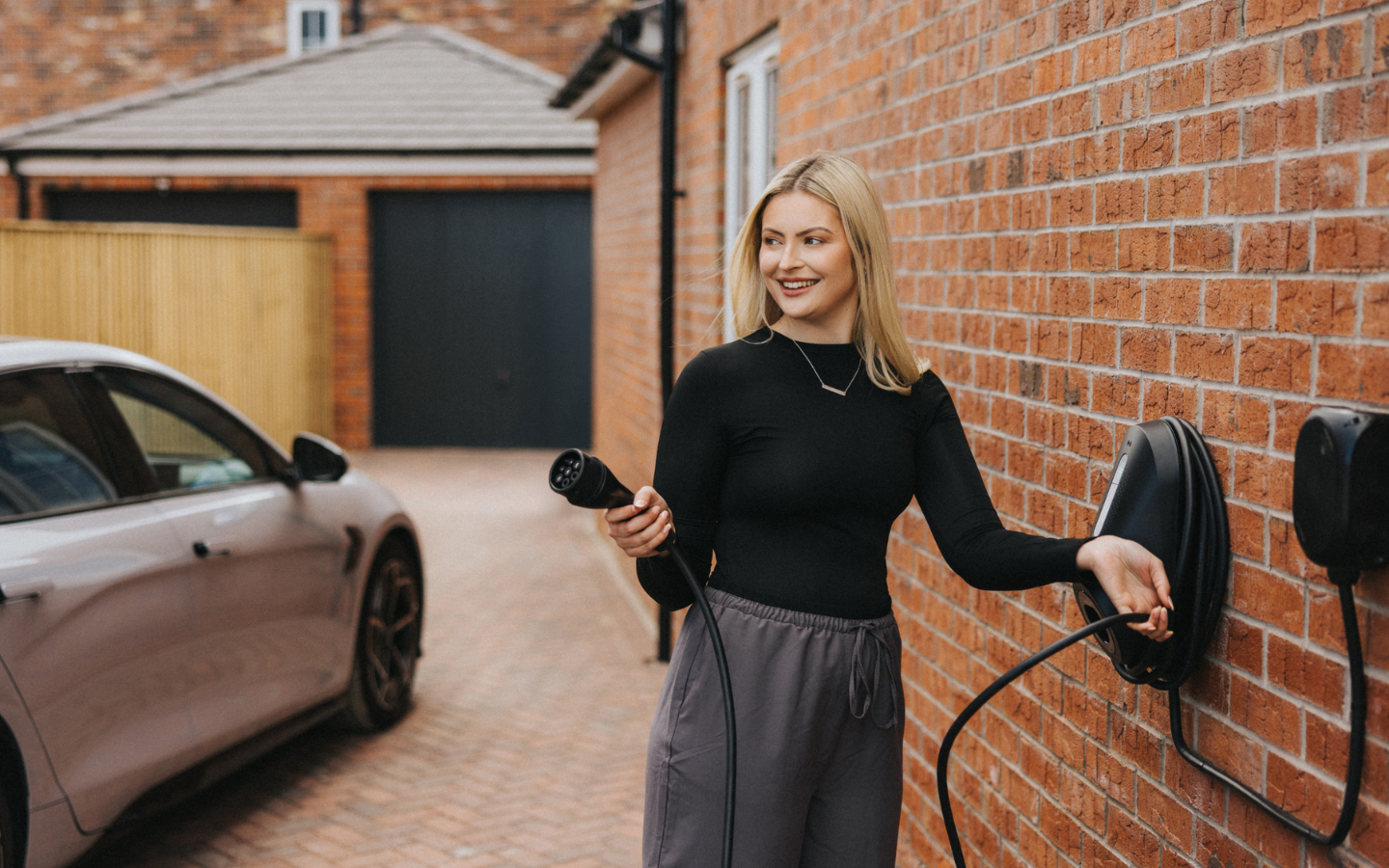
Absolutely; EV charging cables can be bought separately if one doesn’t come with your EV. Many manufacturers and retailers specialise in selling electric vehicle charging equipment and accessories, including EV charging cables.
Where can I buy a new charging cable?
- Popular retailers: Screwfix, Argos, Halfords, and B&Q sell charging cables online and in-person.
- Car manufacturers: Go direct to your manufacturer. Usually, they will sell compatible charging cables with your model, and sometimes, like Tesla, have specific branded cables.
- Charger manufacturers: Purchase charging cables directly from your chosen home EV charger manufacturer or supplier. Most offer a replacement charging cable or their own branded cable. Sometimes, branded charging cables offer added smart functionality. The Easee charging cable, for example, allows you to lock your cable in place if you own an Easee One at home.
- EV charger installation companies: Many EV charger installers, such as ourselves, often stock a variety of charging cables alongside their EV charger range in case you choose an untethered home charger (where there’s no cable attached) and don’t have a charging cable to plug in.
What to keep in mind when buying a second-hand charging cable:
When buying a charging cable separately, check to ensure it meets current safety and quality standards. Beware: many cheap charging cables are available online, but just because these are available doesn’t mean you should choose them. As experts in EV charging, we feel it’s best to invest in a high-quality cable to ensure you, your electric car and your charger are safe, as cheaper cables aren’t always held to the highest standards.
Tip: We suggest avoiding second-hand EV charging cables from marketplaces such as eBay, Depop, Vinted or Facebook Marketplace, as even with communication, you don’t know the exact condition the charging cable will arrive in, and it could be damaged or dangerous to use.
How much do EV charging cables cost?
Charging cable costs vary, but the following are typical prices:
- Type 2 charging cable: £100-£250
- Type 1 charging cable: £100-£250
- 3-pin plug charging cable: £100-£370
What EV charging cable do I need to use?
When buying a charging cable separately, it’s essential to ensure that it’s compatible with the make and model of your electric car and the different types of infrastructure you plan to use when charging your electric car.
Typically, all modern charging cables come with a Type 2 connector on one end of the cable, as most electric vehicle charger sockets are Type 2. However, the other end of the cable, the one that goes into the car, requires some consideration.
There are two types of cables typically sold in the UK, Type 1 and Type 2, so checking which type of cable your electric car requires before purchasing is essential. For example, a Mitsubishi Outlander PHEV is a Type 1 vehicle, so it requires a Type 1 charging cable.
The type of charging equipment you intend to use is also very important. Most home or public EV fast chargers are untethered (socketed) with a Type 2 socket. As such, you will need your own cable to connect your car to the charging unit. Therefore, you must ensure that the charging cable you buy is compatible with the charger. For instance, the Easee One home charger has a Type 2 socket, meaning that if you own a Type 1 vehicle like the Mitsubishi Outlander PHEV, you will need to purchase a Type 1 charging cable with a Type 1 connector on one end and a Type 2 connector on the other.
Overall, if you plan on charging at home or using a public charger, you must ensure the charging cable you purchase is compatible and covers all bases.
Final thoughts
The answer to whether or not EVs come with a charging cable is not a straightforward answer, as it depends on various factors, such as the car model, manufacturer, and whether the vehicle is new or second-hand. Typically, new electric cars come with at least one charging cable, but the specific type and number may vary.
On the other hand, second-hand electric cars may or may not come with a charging cable, depending on the seller and the car’s condition.
Interested in charging cheaper, greener and more conveniently? Invest in an EV charger.
With expert, DBS-checked engineers across the UK, we can install a home electric car charger wherever you are, all with first-class customer service.
Don’t believe us? Check out thousands of Trustpilot reviews from our happy customers. Spoiler: We’re rated ‘Excellent’ 4.9.
Alternatively, take a closer look at our accreditations and experience:
- CoMCoP Elec EMO and SIP
- ISO (ISO 9001, ISO 14001 and ISO 45001)
- OZEV
- NICEIC
- TrustMark
- Alcumus Safe Contractor
- HERs
- Cyber Essentials
- 40,000 installations
When you’re ready, shop our wide range of smart electric car chargers, explore the EV charger installation process, or contact one of our EV charging experts for unbiased advice at 03333 44 96 99.
For more information and our latest updates, follow us on Facebook, Instagram, Twitter, LinkedIn and YouTube.