









Rachel Reeves BIK Tax Changes: New Real-Time Reporting
If you’ve been following the news, you might have stumbled across mentions of Rachel Reeves’ BIK tax changes and are now wondering whether electric vehicle Benefit in Kind (BIK) or, in a similar vein, salary sacrifice schemes are changing.
The short answer: no major changes have been made to the BIK tax system itself. Instead, the government has confirmed a long-term roadmap for benefit-in-kind tax rates and announced that BIK reporting will move to mandatory real-time reporting from April 2027.
For employers and employees taking advantage of company cars, the news is largely positive, with no signs of EV BIK being removed any time soon.
Quick summary:
- Chancellor Rachel Reeves has not introduced a new BIK tax system.
- Electric vehicle BIK rates have been confirmed through 2029/30.
- EV BIK will increase gradually from 3% in 2025/26 to 9% in 2029/30.
- Mandatory payrolling (real-time reporting) of benefits in kind begins in April 2027.
- Electric vehicle salary sacrifice schemes remain unchanged.
What has Rachel Reeves changed to benefit in kind (BIK)?
The biggest Rachel Reeves BIK tax change is how employers report benefits in kind to HMRC, not the BIK tax itself.
Rather than introducing a new tax, the government has:
- Confirmed benefit in kind tax rates until the 2029/30 tax year.
- Announced and confirmed mandatory real-time reporting (payrolling) for benefits in kind from April 2027.
- Left electric vehicle salary sacrifice schemes unchanged.
- For most employers, these changes provide greater certainty rather than increasing tax bills.
Mandatory real-time BIK reporting from April 2027
One of the most significant changes announced is the move away from annual P11D reporting.
From 6 April 2027, employers will generally be required to report taxable employee benefits through payroll instead of submitting most P11D forms after the tax year ends.
What does this mean?
Employers will need to:
- Report benefits in kind through payroll.
- Deduct tax in real time.
- Reduce reliance on annual P11D submissions.
- Update payroll processes before April 2027.
- For employees, this should mean fewer unexpected tax adjustments after the end of the tax year.
Electric vehicle benefit in kind rates
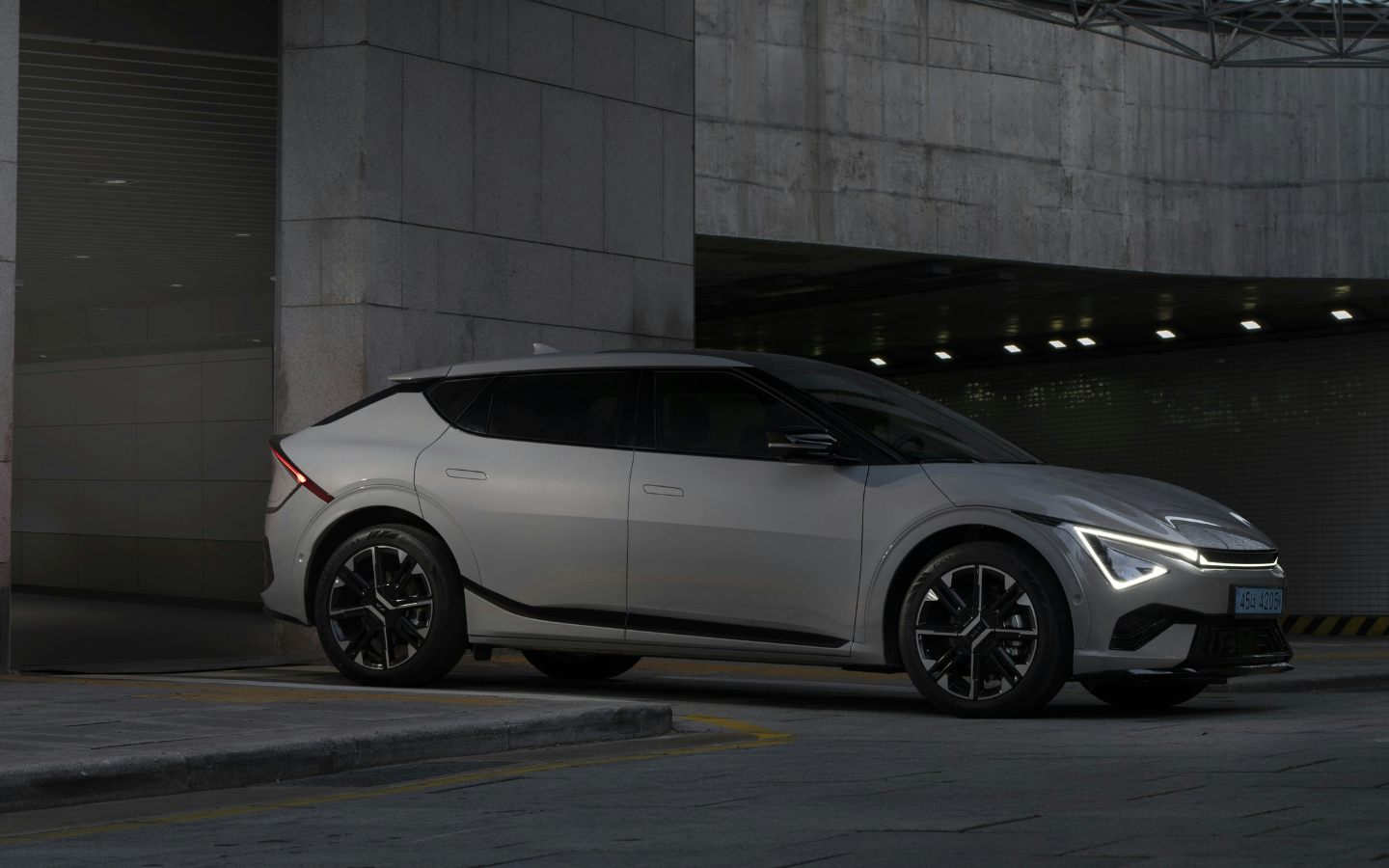
Electric vehicles continue to attract the lowest company car tax rates available.
|
Tax Year |
EV BIK Rate |
| 2025/26 | 3% |
| 2026/27 | 4% |
| 2027/28 | 5% |
| 2028/29 | 7% |
| 2029/30 | 9% |
Although rates are increasing gradually, EVs remain significantly cheaper to tax than most petrol or diesel company cars at 37%.
Has Rachel Reeves changed electric car salary sacrifice?
No. There have been no announced changes to electric vehicle salary sacrifice schemes.
Employees can still benefit from:
- Lower Income Tax
- National Insurance savings
- Access to a brand-new electric car
- Maintenance included
- Insurance included
- Servicing included
- Breakdown cover included
Salary sacrifice remains one of the most tax-efficient ways to drive an electric vehicle.
Is salary sacrifice changing?
While EV salary sacrifice remains unaffected, pension salary sacrifice proposals have been announced.
From April 2029, proposals would limit National Insurance relief on pension salary sacrifice to the first £2,000 of contributions.
Importantly, this proposal does not affect electric vehicle salary sacrifice schemes.
Why electric cars still offer the lowest benefit in kind tax
Even with gradual increases, electric cars remain considerably more tax-efficient than petrol and diesel alternatives.
For comparison:
- Most petrol company cars attract benefit in kind rates of up to 37%.
- Electric vehicles remain between 3% and 9% until at least 2029/30.
- This difference can save employees thousands of pounds over the life of a company car.
Timeline of electric vehicle BIK
Understanding how electric car benefit-in-kind has evolved helps explain why EVs remain so attractive.
2010: the first BIK discount for electric cars at 0%
2015: UK government announced EV BIK increases each financial year
2017: 9% EV BIK tax
April 2020: EV BIK dropped back to 0%
April 2021: EV BIK increases to 1%
April 2022: EV BIK increases to 2%
Autumn 2022: Announcements that EV BIK will increase each year
April 2025: EV BIK increases to 3%
April 2026: EV BIK increases to 4%
April 2027: EV BIK set to increase to 5%
April 2028: EV BIK will increase to 6%
April 2029: EV BIK will increase to 7%
April 2030: EV BIK will likely be reassessed.
The government has deliberately introduced gradual increases while continuing to encourage electric vehicle adoption.
What happens to EV BIK after 2029?
The government has confirmed benefit-in-kind rates until the end of the 2029/30 tax year.
No announcements have yet been made regarding rates beyond this period.
However, many industry experts expect electric vehicles to continue receiving preferential tax treatment, although the rates may evolve as EV adoption becomes more widespread.
Why now is still a good time to choose an electric company car
If you’re considering an electric company car, delaying could mean paying a higher benefit-in-kind rate in future tax years.
Choosing an EV now allows employees to benefit from today’s lower rates while taking advantage of salary sacrifice savings where available.
Compared with petrol and diesel company cars, electric vehicles remain one of the most tax-efficient employee benefits available.
Key takeaways
If you only remember five things about the Rachel Reeves BIK tax changes, make them these:
- There is no new benefit-in-kind tax system.
- Mandatory payrolling of benefits in kind begins in April 2027.
- Electric vehicle BIK rates increase gradually but remain far lower than petrol and diesel rates.
- Electric vehicle salary sacrifice schemes are not changing.
- Choosing an electric company car remains one of the most tax-efficient options available.
Frequently Asked Questions
Did Rachel Reeves change the benefit-in-kind tax?
No. Rachel Reeves did not introduce a new benefit in kind tax. Instead, the government confirmed future BIK rates and announced mandatory payrolling from April 2027.
Is BIK changing in 2027?
Yes. From April 2027, employers will generally be required to payroll benefits in kind instead of reporting them using most P11D forms.
Has salary sacrifice for electric cars changed?
No. Electric vehicle salary sacrifice schemes remain unchanged.
What is the EV benefit in kind rate?
The EV benefit in kind rate is:
3% in 2025/26
4% in 2026/27
5% in 2027/28
7% in 2028/29
9% in 2029/30
Are electric cars still worth it?
Yes. Even with planned increases, electric vehicles continue to have the lowest company car tax rates available in the UK. Not to mention the other benefits of adopting an electric vehicle.
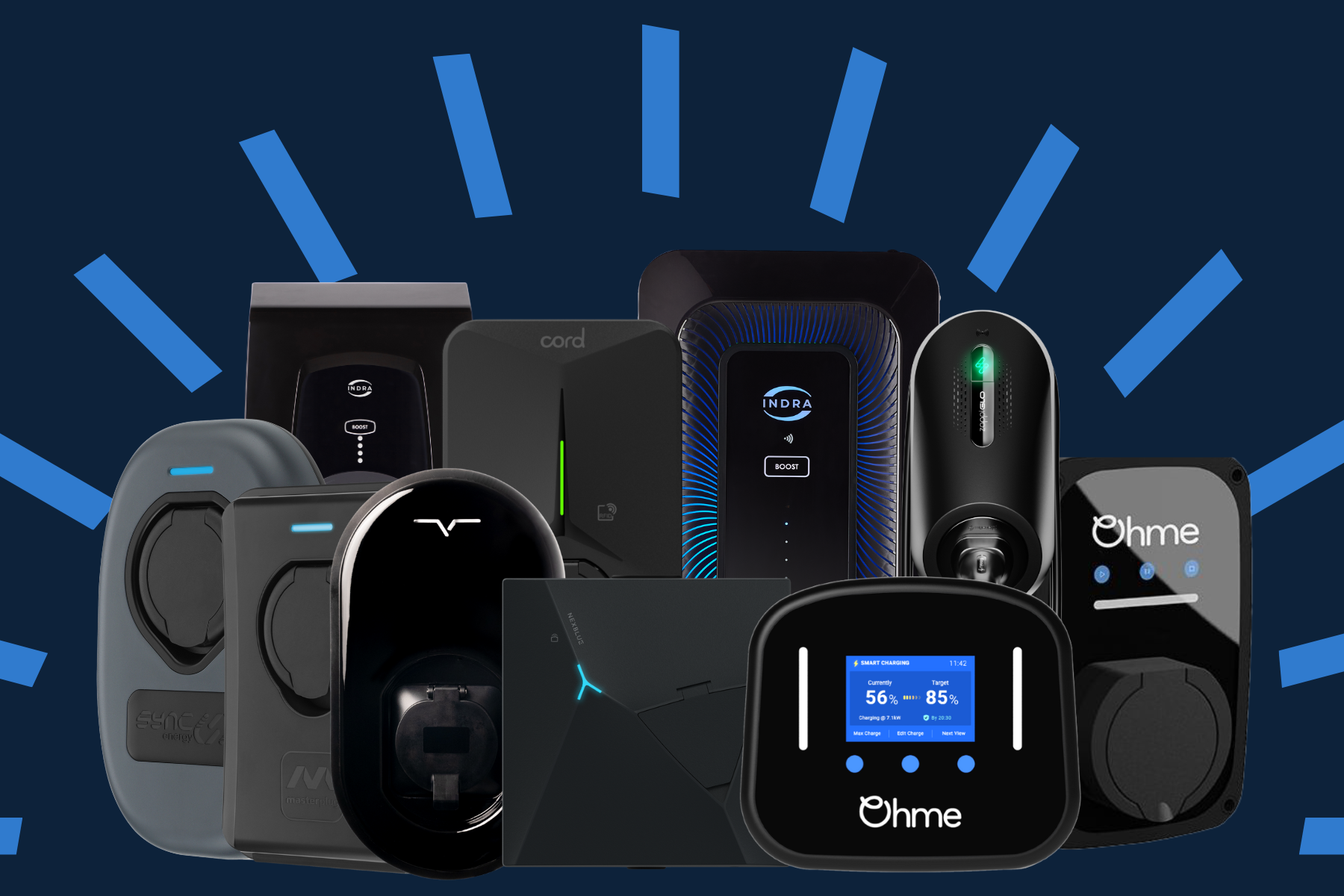
Already got your company car? Don’t forget your EV charger.
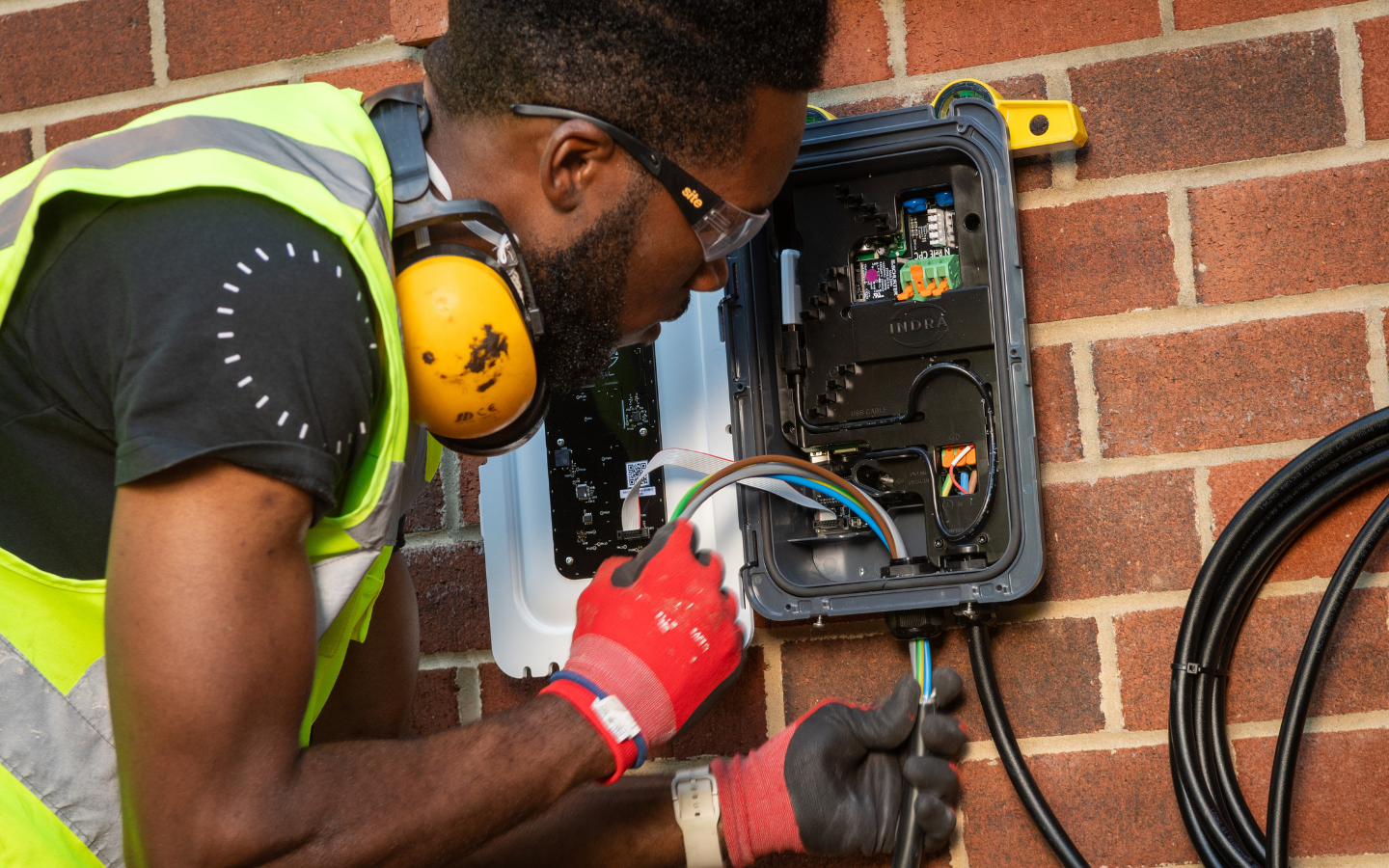
At We Power Your Car, we combine industry expertise with tailored EV solutions to help businesses and drivers make confident, cost-effective decisions. From understanding the latest BIK tax changes to installing reliable charging infrastructure at home, in the workplace or across your fleet, we provide end-to-end support designed around your goals.
Speak to the team at We Power Your Car today and let us help you unlock the full financial and environmental benefits of driving electric. Call one of our EV charging experts: 03333 44 00 16.
For all the information on EV charger installation, please consult our comprehensive guide.