



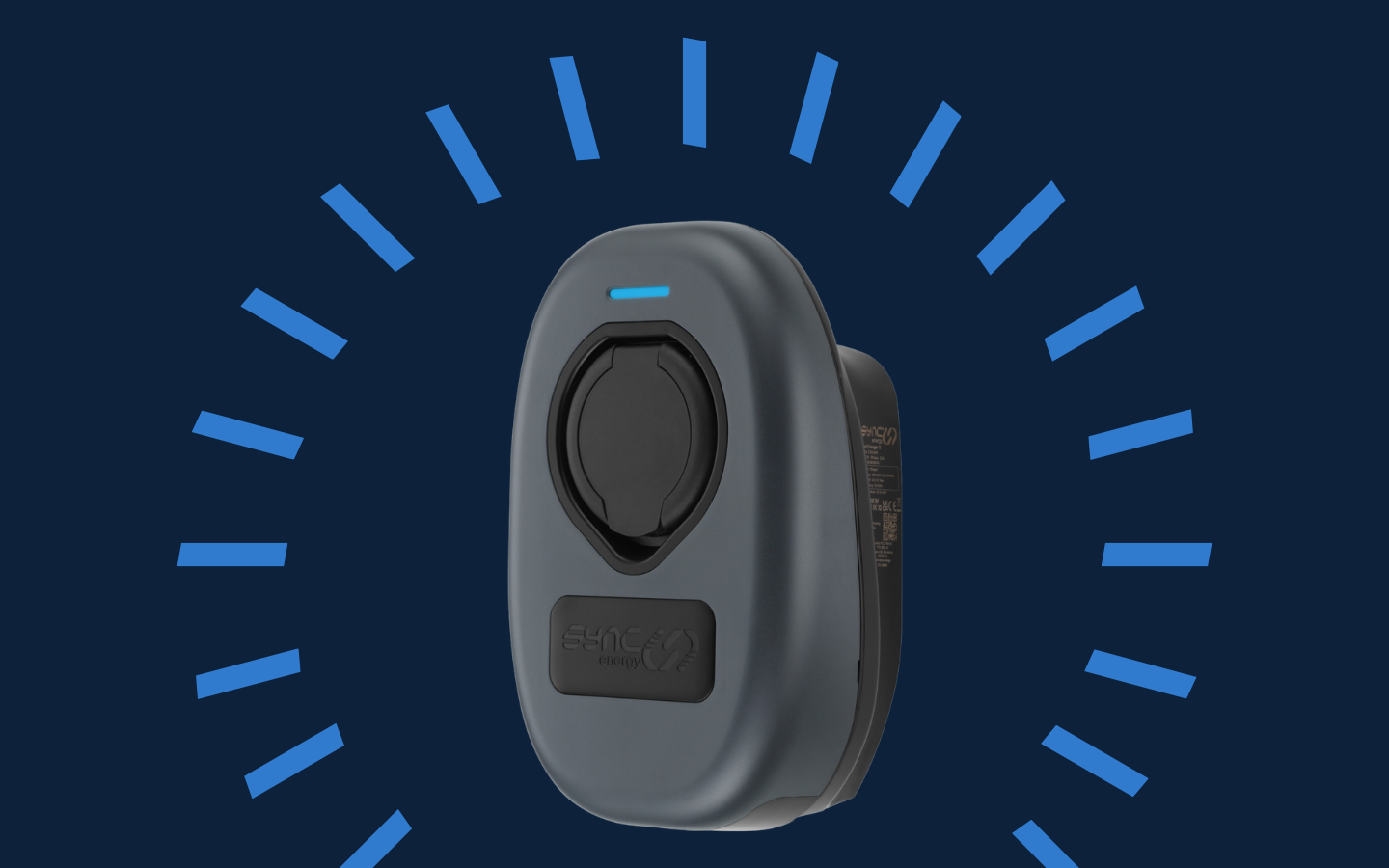

What is a Load Balancing EV Charger? Our Complete Guide
Safety measures are essential when it comes to electrical systems and appliances, and EV chargers are no exception. Drawing tons of power and located typically at your most important asset, your home, the right protection needs to be in place.
That’s where load balancing EV chargers come in.
Ideal for home EV chargers all the way to fleets and commercial entities, load balancing is one smart feature you need for your electric vehicle charging infrastructure. In fact, many of the best home EV chargers on the market include this intelligent feature as standard.
Today, we explain all things load balancing, including what it means, where you would find it, and if you need it.
Quick summary:
- Load balancing is a smart feature used in EV chargers that monitors and adjusts the power supplied to your EV charging point based on the use of other electrical appliances in the property, helping to protect it from overloading and tripping the fuse.
- For a home EV charger, a CT clamp to enable dynamic load balancing will typically cost between £40 and £100 extra for the feature.
- Dynamic load balancing EV chargers automatically monitor and adjust your EV charger in real time, whereas static load balancing is a pre-set limit, so your EV charger doesn’t go above a certain charging rate.
- Load balancing in EV chargers isn’t a necessity, but it does add another layer of safety for complete peace of mind when charging your electric car. With over 30,000 installations under our belt, we’ve found that most of our customers opt for an EV charger with load balancing.
- Popular home EV chargers tend to come with the load balancing feature as standard, or offer it at an additional cost.
What is load balancing in EV chargers?
Load balancing is a smart charging feature found in EV chargers that, in simple terms, protects your fuse by slowing or stopping your EV charger if capacity gets too high, maintaining a safe limit.
Load balancing can be called different things, including home power balancing, power sharing, and a load balancing system. They all mean the same thing.
Note: Load balancing is not the same as load management.
EV charging and load balancing: why is it important?
All properties have an electrical limit. You can’t use an unlimited amount of electricity; too much and you can potentially face repercussions: tripping the fuse, overloading the consumer unit, power cuts, and damage could all occur in the worst scenarios.
Typically, a standard UK house has a single-phase electricity supply. With this, you’re looking at around 60A to 100A for your main fuse capacity. Though 100 amps is much more common nowadays. EV charging stations drain a lot of electricity at typically 7kW (32 amps). This is where load-balancing becomes important.
Imagine this in a real-life scenario: dishwasher is running, the Xbox is on, the TV is blaring, the washing machine is spinning, and you just plugged your EV in to charge. With all these appliances drawing power simultaneously, you could exceed your property’s electrical capacity.
Try not to worry: before any installation, your chosen installers will calculate the electrical current at your home to ensure the EV charger won’t overload your property, as well as notify your local DNO in case any work needs to be done to meet the load requirements.
What are the different types of load balancing?
There are two types of load balancing: dynamic load balancing and static load balancing.
Here’s a quick rundown.
1. Dynamic load balancing (DLB)
The most common form of load balancing is dynamic load balancing. This version automatically adjusts the electricity supplied to your EV charger based on the property’s real-time usage at the property.
Don’t lift a finger as the intelligent feature does the heavy lifting for you. No need for manual tinkering.
You’ll likely find dynamic load balancing built into smart home electric car chargers.
2. Static load balancing (SLB)
In short, static load balancing sets a fixed maximum current or power limit for your EV charger, rather than dynamically and automatically adjusting the charging rate based on real-time electricity usage in the property.
For example, the pre-set limit might be 6kW instead of the usual 7kW, meaning you never exceed 6kW in order to protect your fuse from overloading.
What are the benefits of load balancing in EV chargers?
1. 24/7 protection
Constant monitoring and adjusting to ensure 24-hour, seven-day-a-week protection for you, your family, your home and your electric car. Too much energy usage? Your EV charger will slow or stop for your safety.
EV chargers with dynamic load balancing are best for optimising power while maintaining safety, as soon as electricity usage dips elsewhere, your charging rate will shoot back up.
2. No costly, timely fuse upgrades
Some households might need to have a fuse upgrade to accommodate an EV charger if the electrical supply is smaller than 60-amps. Fuse upgrades can take weeks, if not months, to complete. That’s not mentioning the expense you’d have to foot.
An EV charger with load balancing, though? You’re good to go, no fuse upgrade required.
That said, your EV charger might be slower than the typical 7kW…
3. Supports multiple EV chargers
If you’re a multi-EV household, you may want more than one home EV charger (though, note: we think sharing one might be the better option). This is made possible with the load balancing feature, which splits the electricity, allowing charging at the same time.
How do I get the load balancing feature?
9 times out of 10, home EV chargers on the market come with the load-balancing smart feature. So simply pick your favourite one and leave the rest to your qualified EV charger installer.
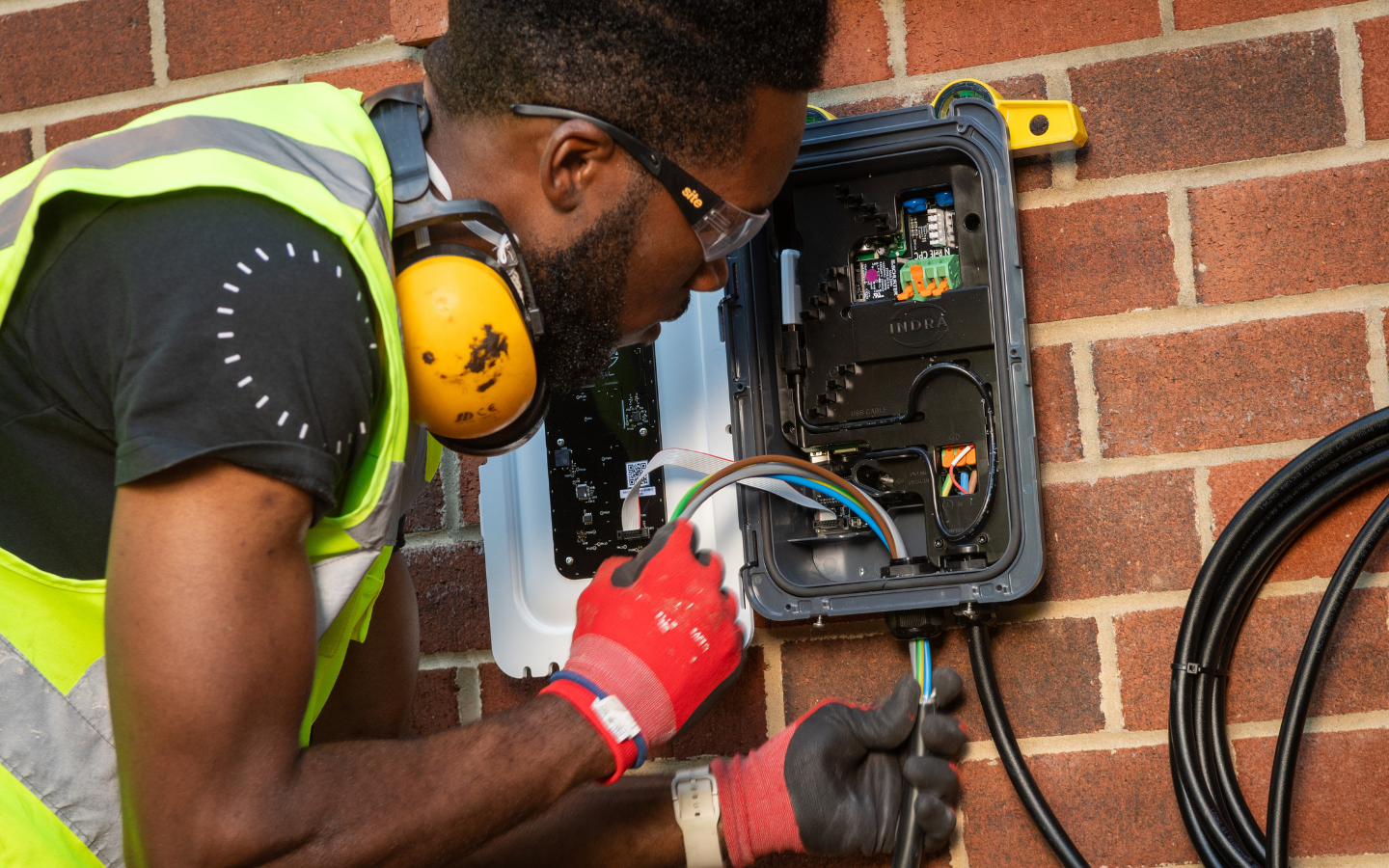
At the time of your home EV charger installation, a CT clamp will be installed, which will track your electrical load. Once set, the feature will automatically manage your electrical load, without you needing to do a thing.
Which home EV chargers have load balancing?
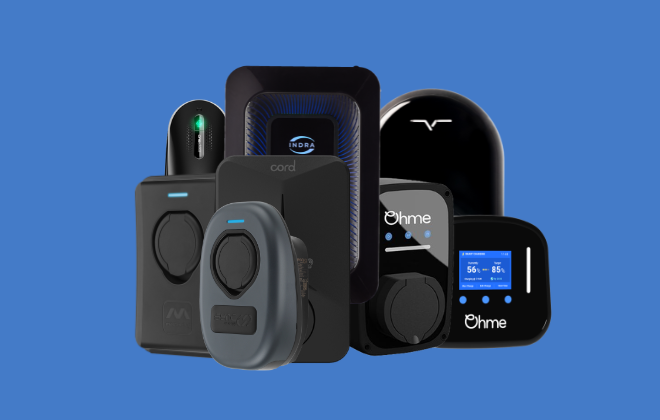
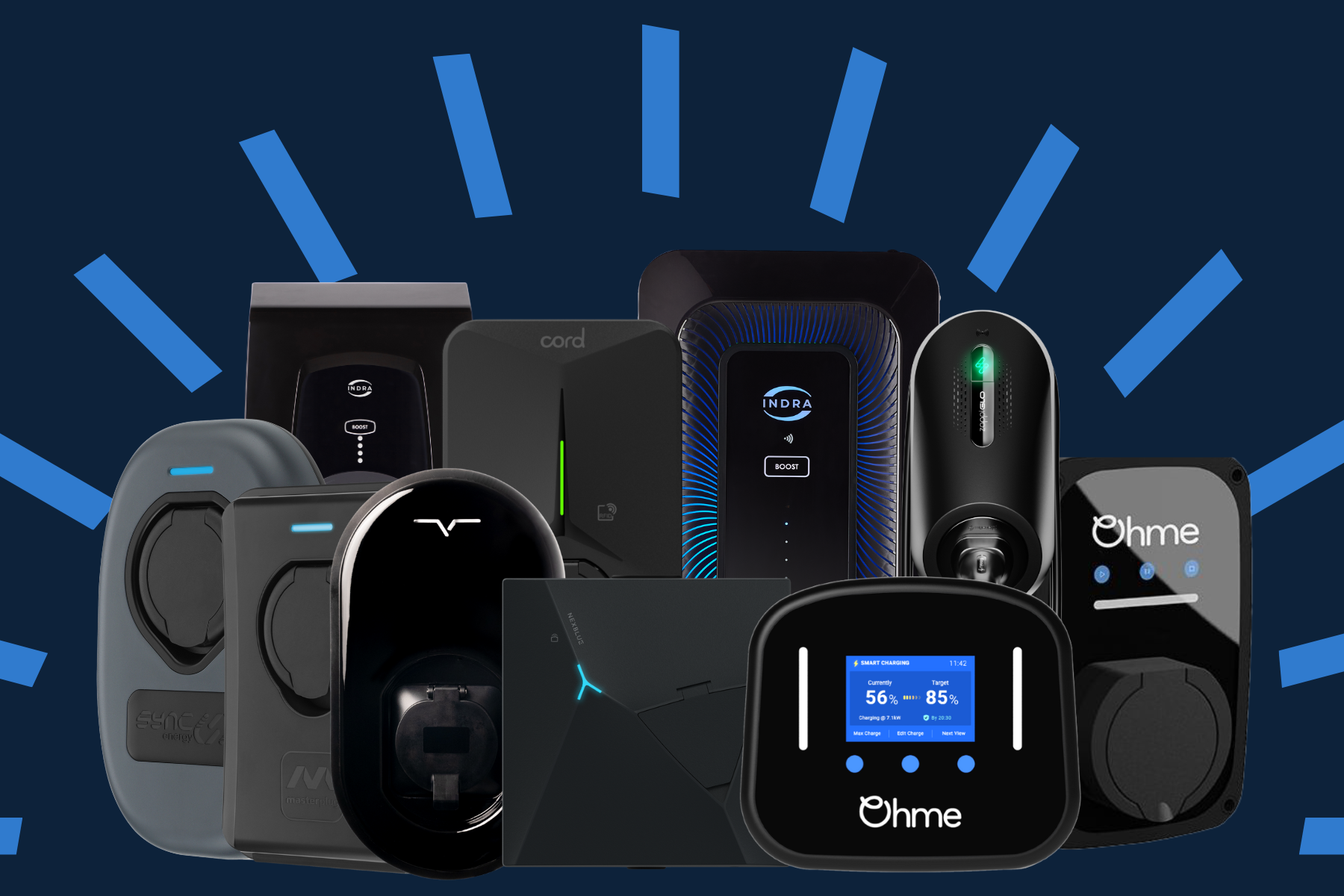
As time goes on, more and more EV chargers, especially home EV chargers, come with the load balancing feature. But for reference, here are some popular EV home chargers with load balancing as standard:
- Ohme Home Pro
- Ohme ePod
- Indra Smart Pro
- Andersen A3
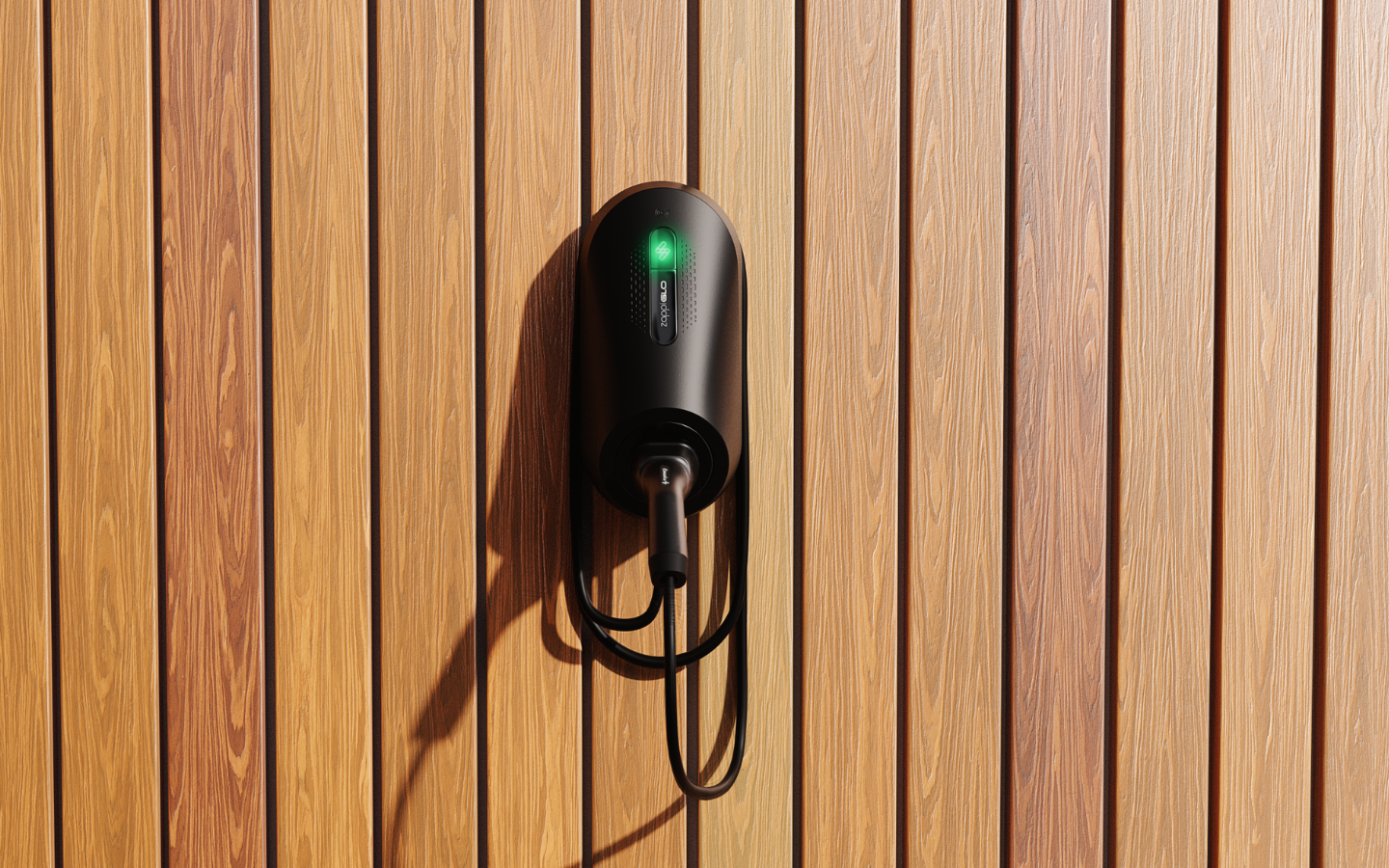
- Zappi Glo
- Tesla Wall Connector
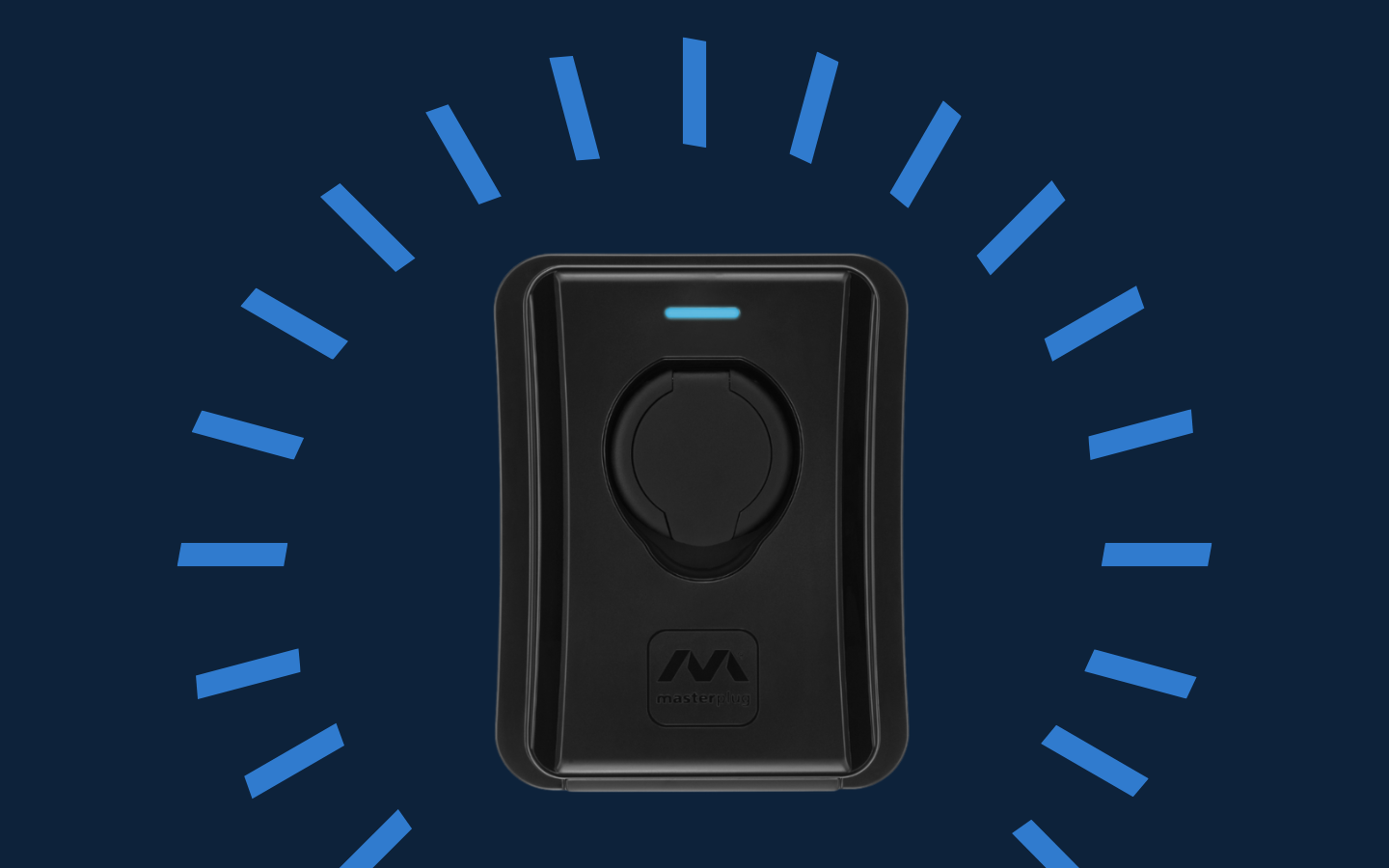
- Masterplug
- VCHRGD Seven Pro
Certain chargers, such as the Nexblue Point 2 or Easee One, have load balancing available, but it will cost you extra to add this feature.
Get an EV home charger with the intelligent load balancing feature now.
Trust We Power Your Car for your load balancing EV charger and installation. With nationwide DBS-checked, accredited, and experienced EV charger installers, we can install wherever you are, all with first-class customer service.
Don’t believe us? Take a look at over 3,000 Trustpilot reviews from our happy customers. Spoiler: We’re rated 4.9 ‘Excellent’.
Or browse our credentials:
- Safe Isolation Provider
- ISO accredited (ISO 9001, ISO 14001 and ISO 45001)
- OZEV-approved
- NICEIC approved
- Safe Contractor Approved
- HERS accredited
When you’re ready, shop our wide range of EV chargers, complete with installation, explore the steps to an EV charger installation, or call one of our EV charging experts at 03333 44 96 99 for personalised advice.