




Blink Charging Network: Locations, Prices & Benefits (2026)
Blink Charging is a public EV charging network that spans 25 countries, originating in the US but operating in the UK. Over 3,616 Blink EV chargers are in the UK (Zap-Map), all running on a pay-as-you-go basis, with fast, rapid and ultra-rapid chargers available, priced from 39p per kWh to 79p per kWh.
But what speeds and connectors are available with the Blink network charging? Where can I find Blink EV charging stations? Should I use the Blink public charging network?
Next in our public charging network guide series is Blink, where we put a lens on the global network provider.
Blink Charging UK Quick Summary:
| Network name | Blink Charging |
| Number of chargers in the UK | 3,616 EV chargers |
| Charger speeds (kW) | 7kW AC, 22kW AC and 50kW DC |
| Charging types | Type 2, CCS or CHAdeMO |
| How to pay | Contactless credit or debit cards, Blink RFID card, Blink app, third-party app like Zap-Map or Electroverse. |
| Price | Ranging from 39 – 73p per kWh |
| Where you’re likely to find them | On-street infrastructure such as lamp posts, car parks, NHS trusts, universities, businesses. |
Where do I find Blink electric vehicle charging stations?
Blink has close ties with NHS Trusts, university sites, business car parks, park-and-ride sites, as well as local councils.
Find Blink Charging stations in car parks and on residential streets, specifically on-street charging infrastructure.
West Yorkshire and Hertfordshire have the highest concentration of Blink EV chargers when compared to the rest of the UK.
How do I find Blink chargers near me?
- Map apps: Find your nearest EV chargers, not just Blink, with Zap-Map.
- Blink Charging Map Online: Go direct and locate your nearest Blink chargers with the map app.
What do Blink chargers look like?
Blink has four different types of EV chargers, all with different looks:
- On-street lamppost chargers: Look for lampposts, as these Blink chargers are installed onto pre-existing infrastructure. These use Type 2 connectors.
- Free-standing public pillars: Tall column-like chargers with a digital screen and a socketed connection.
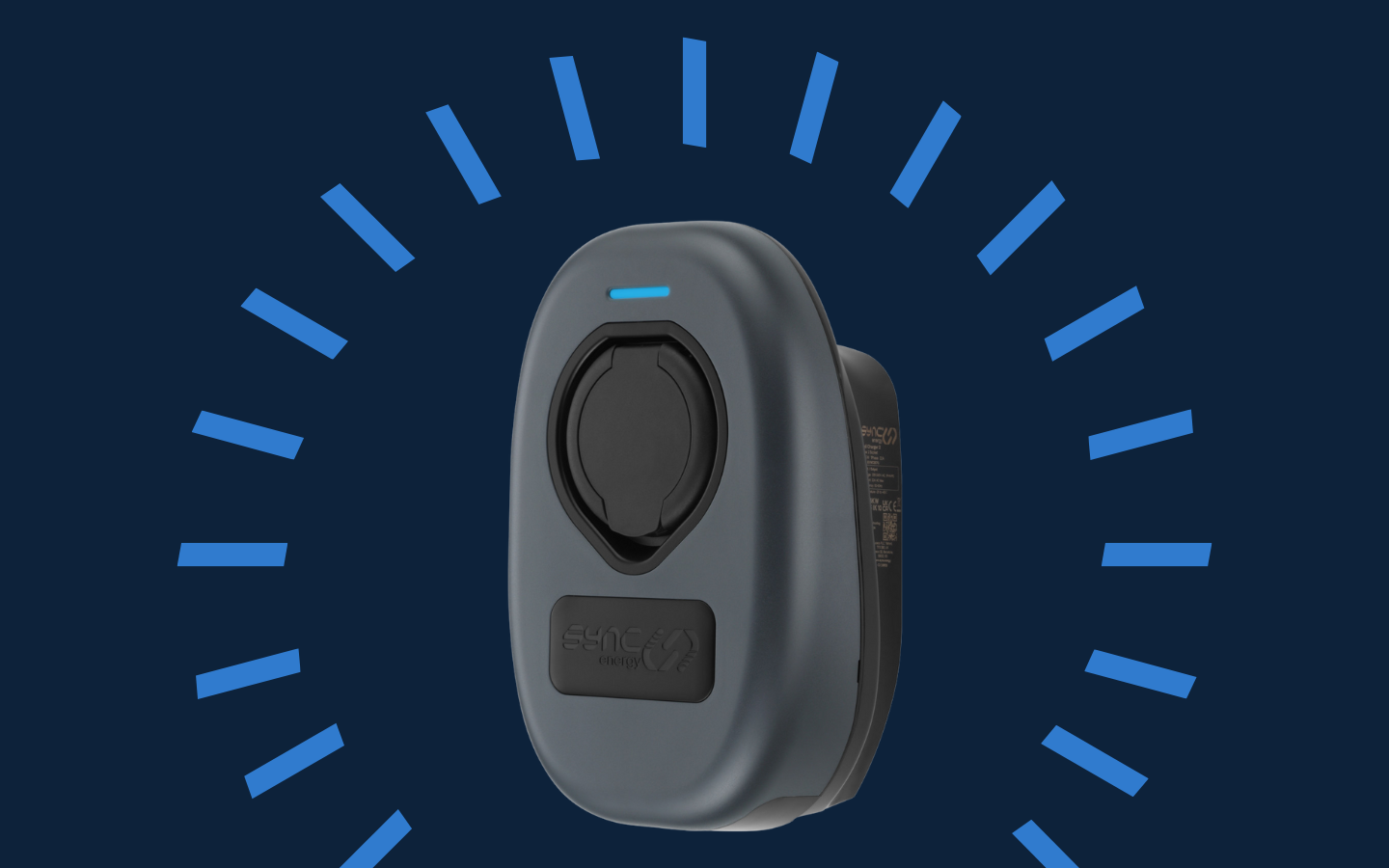
- Wall or pole boxes: Small wall- or post-mounted EV chargers, with an LED status light.
- Rapid DC chargers: Cabinet-style EV chargers with an LED status light.
Are Blink Charging stations free?
No, like all public charging stations, the era of free charging has ended. The Blink EV charging network is sadly not free.
How much does Blink Charging cost?
Across the board, Blink Charging costs range from 39p to 73p per kWh. The specific price depends on the location of the EV charger, the type of EV charger and the speed.
Let’s take a closer look at how the prices vary:
Site |
Price (Per kWh) |
| Leeds park and ride (7kW) | 39p per kWh |
| Leeds park and ride (50kW) | 44p per kWh |
| Mole Valley, Surrey | 49p per kWh |
| Darlington, Commercial Street West | 50p per kWh |
| Darlington, Abbotts Yard | 53p per kWh |
| North Hertfordshire | 54p per kWh |
| Brighton & Hove, lampposts | 55p per kWh |
| Brighton & Hove | 55p per kWh |
| Mole Valley, Pippbrook | 55p per kWh |
| Brighton & Hove, rapid chargers | 73p per kWh |
Are there any additional fees, subscription costs or idle charges?
Item |
Cost |
| Blink membership | Free |
| Subscription fee | N/A – free |
| Connection fee | N/A |
| Overstay/idle fee | Check the car park |
| Payment pre-authorisation | Temporary charge of £30-£50 |
| RFID card | £10 |
Can you claim VAT back?
Yes, if you’re topping up a company car that’s solely for business use.
RELATED: VAT on Electric Cars and VAT on EV Charging Explained.
How do I pay for Blink charging stations?
There are three ways to pay:
- Contactless debit or credit card
- Blink app
- Third-party apps such as Zap-Map or Electroverse
- Blink RFID
Which third-party RFID cards are Blink-compatible?
- Paua
- Octopus Electroverse
- ZapMap
- Shell Recharge
- ChargePoint
- ChargeHub
How to use Blink charging stations?
1. Blink Charging app:
- Make sure you download the Blink charging app (available on Google Play or the App Store) and are signed in
- Plug in your EV
- Tap Check In and follow the prompts
- Charging will start
- Tap ‘Stop’ in the app when you’re finished, unplug and then hook the cable back.
2. Contactless debit or credit card:
- Find a Blink charger
- Park up and plug in
- Follow the instructions on the charger and tap your card to authenticate
- Tap your card to stop and finalise the payment
3. Blink RFID card:
- Get an RFID card directly from Blink (Blink membership card)
- Make sure it’s activated
- Park up and plug in
- Start charging with a tap
- Tap the card again to stop.
What charging rates and connectors are available?
EV Charger type |
Power output/speed |
Connector type |
Best for |
| Fast | 7kW and 22kW | Type 2 | A quick top-up |
| Rapid | 50kW | CCS | When you need more of a full charge. |
How long does Blink EV stations take to charge?
Power output |
Charge (0-80%) |
| 7kW AC | 6-7 hours |
| 22kW AC | 2-3 hours |
| 50kW DC | 45-60 minutes |
How do Blink Charging costs compare to charging your EV at home?
Blink charger |
Price |
Cost for 30 miles of range |
| At home with a smart EV charger and the Intelligent Octopus Go EV tariff | 7.6p per kWh | 65p |
| At home with a smart EV charger and Ofgem’s Energy Price Cap | 26.32p per kWh | £2.26 |
| Blink fast charger (7kW) | 39p per kWh | £3.34 |
| Blink rapid charger (50kW) | 55p per kWh | £4.71 |
When should you use the Blink charging network?
Type of EV drivers |
Why it fits |
| Homeowners without off-street parking | Providing lamppost EV chargers, Blink supplies on-street EV charging infrastructure for those without driveways. |
| Drivers parked needing a top-up | Dotted handily around the UK, Blink chargers offer decently priced EV charging for when you want a quick top-up. |
| Fleets | With compatibility with Paua – aimed specifically at making fleet EV charging easier – Blink is ideal for fleets on the road. |
| Octopus Electroverse, Zapmap or Paua users | If you’ve already got subscriptions or memberships with popular EV apps, using Blink just makes sense as it makes charging more convenient and often cheaper. |
| NHS trust workers, university students or employees, or council workers. | Since a good portion of Blink EV chargers are installed at NHS trusts, universities and businesses, employees and students could benefit from charging while working/studying. |
What are the benefits of the Blink charging network?
- Support: Blink offers a 24/7 helpline if you get stuck with your charging, meaning you’re never alone.
- Convenient: Blink offers an abundance of EV chargers in different locations in different forms. So whether you need to charge on the street or en route to work, Blink EV stations are on hand.
- Flexible: To make charging smooth, Blink offers four different payment methods, including third-party RFID cards and memberships. Making payment simple.
- Blink app: Unlike other public charging networks, Blink offers a free membership to the mobile app. Track costs, charging sessions and more – all with a free app
Forget costly public charging. Invest in a home EV charger and charge for as little as 7.6p per kWh*
Trust We Power Your Car with your EV charger and installation. As one of the UK’s leading nationwide EV charger installation companies, we handle the process from start to finish, including EV charger choice, DNO notification, grant paperwork and installation – all with first-class customer service.
Don’t believe us? Take a look at our Trustpilot reviews. Spoiler: We’re rated Excellent 4.9.
Alternatively, browse our accreditations:
- CoMCoP Elec EMO and SIP
- ISO (ISO 9001, ISO 14001 and ISO 45001)
- OZEV
- NICEIC
- TrustMark
- Alcumus Safe Contractor
- HERs
- Cyber Essentials
*With the intelligent Octopus Go and a compatible smart EV charger.