








8 Hot Tips for Driving your EV in Summer
With summer temperatures soaring over 30 degrees in the UK, you may be thinking: will the heat impact my EV?
The answer, unfortunately, is yes; high temperatures do affect electric cars. In fact, electric vehicles can be affected by both extreme heat and freezing conditions.
But don’t sweat it.
In today’s article, we share our top tips on how to mitigate the negative effects of the summer heat and maximise your electric car range.
How will extreme heat impact my electric vehicle?
Let’s get into the nitty-gritty and first explain how heat can impact your electric vehicle:
- High temperatures can decrease your EV’s range (how far your electric vehicle can travel on a single charge). How? Because as your battery tries to keep itself cool, it eats up more energy. In turn, you won’t travel as far as your EV usually does after a full charging session. If you then add in the use of other gadgets and features that help keep the temperature down (like blasting your air-conditioning), your usual range will decrease even further.
- The heart of your electric vehicle is its lithium-ion battery, and when exposed to higher temperatures, it’s at risk of overheating. If your battery gets too hot, it can affect the cells’ chemistry, causing premature battery degradation (where your EV will lose some of its charging capacity).
When explaining how to manage your electric vehicle in hot weather, and with the previous effects in mind, it’s best to split our tips into two categories – maintaining range and protecting your EV’s battery.
So, let’s get started.
How to maintain your electric vehicle’s range in summer:
1. Use Eco-Mode
Most electric vehicles nowadays will have Eco-Mode, a nifty feature that helps to conserve your mileage by reducing the energy used on other functions that tend to zap your charge behind the scenes, such as air conditioning. Additionally, this crafty feature can help with aggressive acceleration, dulling accelerator response and helping conserve precious charge.
2. Take advantage of preconditioning
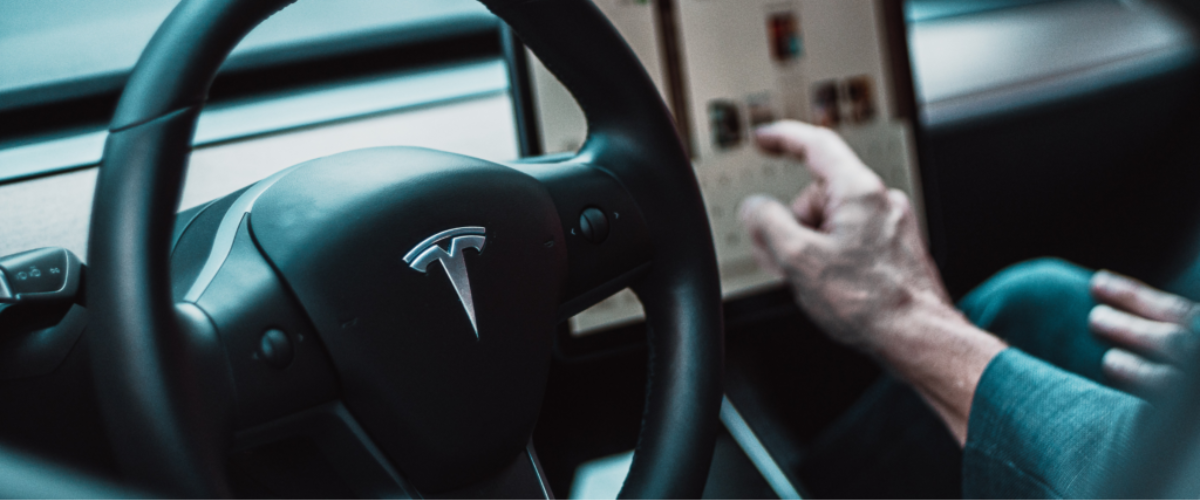
Preconditioning is a popular feature for warming your electric vehicle’s interior in cold weather; however, it’s also beneficial during the summer.
If your EV has the preconditioning feature, you can remotely pre-cool your car’s cabin before you enter your vehicle. Not only does this help your range by adjusting your EV to its optimal temperature, so it’s not working harder throughout the day, but it also ensures a more comfortable and sweat-free driving experience.
This feature will even save you time, as you can set your EV to precondition ahead of your journey, so there’s no need to wait while the cabin cools down by blasting aircon or de-misting your windows – a win-win solution.
Tesla is one of the most common electric vehicles with this feature, and you can even set it up remotely via the app, meaning you don’t have to leave the house.
3. Travel light
Electric vehicle batteries are heavy, so when coupled with excess luggage, more energy will be used to transport the additional weight. With this in mind, we recommend packing light during summer drives to best preserve your range.
How to look after your battery in summer:
1. Shade is your EV’s best friend
The easiest and most obvious, although potentially most important, tip is to avoid parking in direct sunlight. Instead, opt to park in a shady spot. Whether this is under a tree, in a garage, or anywhere for that matter, just as long as your EV is out of direct sunlight for prolonged periods (and legally parked), it will help to stop your battery from overheating. And it will help maximise range too, as your EV won’t use valuable energy on cooling it down.
2. Only charge to 80%
Industry experts state that keeping your charge between 20%–80% should be the norm to conserve good battery health, but it’s especially important during hot weather.
Just like mobile phones, the longer you charge, the hotter the battery gets, and if you mix this with sunny weather, it’s a recipe for an unhappy battery (not to mention the increased risk of faster battery degradation).
3. Limit rapid charging
As mentioned previously, if you charge your electric vehicle for long periods, your battery can overheat, and even though rapid charging decreases the length of time needed for charging, the higher charging rate generates more heat within the battery.
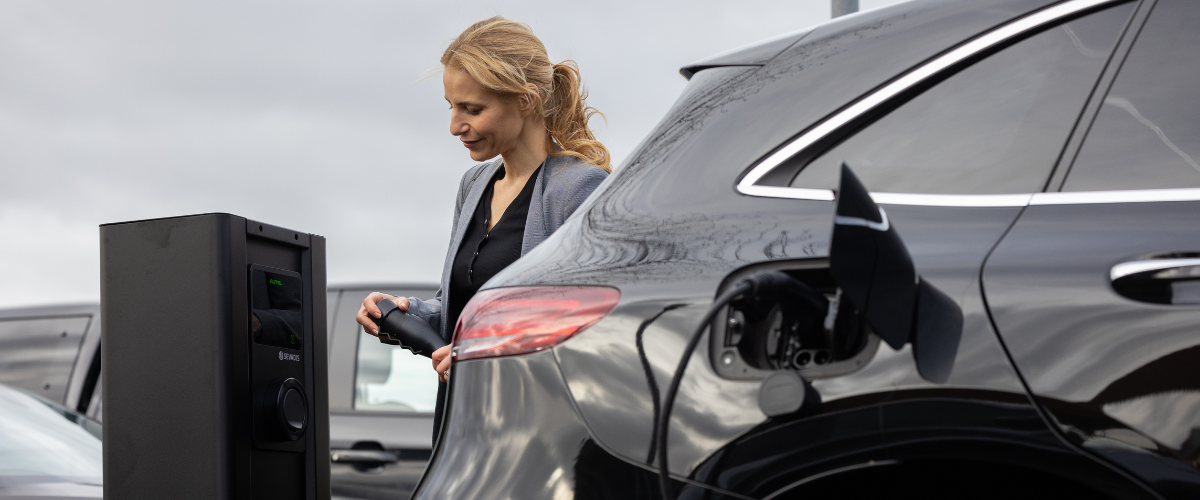
The general rule of thumb is to stick to 7kW fast charging during these hot conditions and avoid rapid charging stations.
By this, we mean either utilising a fast public charger or your home electric vehicle charger, as they are usually rated at a maximum of 7.4kW.
If you find yourself in desperate need of a rapid charger, you can still use one. However, we recommend avoiding charging during the hottest times of the day and only topping up your EV, not fully charging.
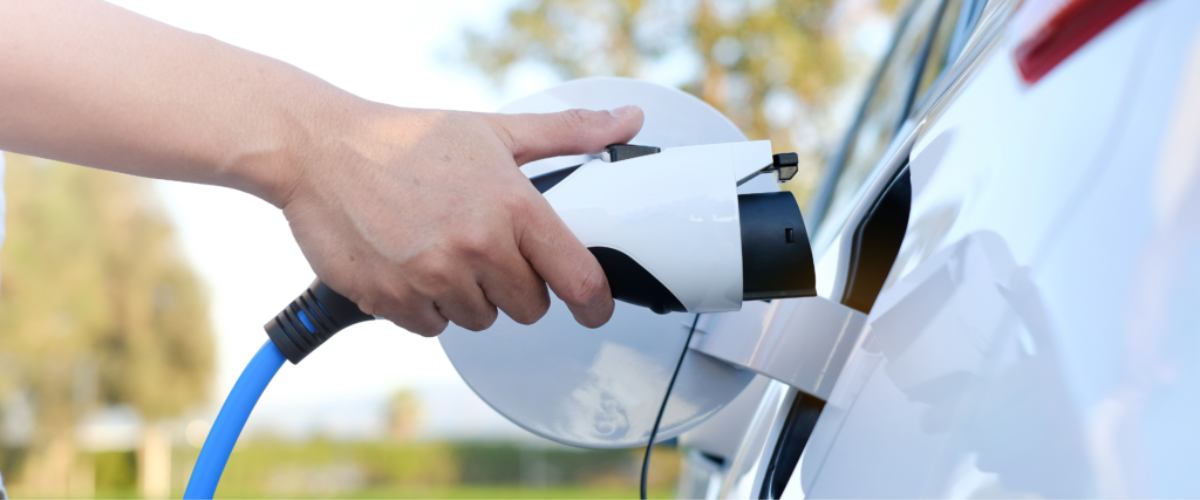
4. Don’t charge immediately after driving
Your electric vehicle battery will be hot from the previous drive, so it’s best to avoid charging it straight away – especially if your charger is in direct sunlight.
All in all, the best time to charge your electric vehicle is overnight or early morning when the temperature drops.
Plus, if you’re on an off-peak EV tariff, charging overnight may be cheaper.
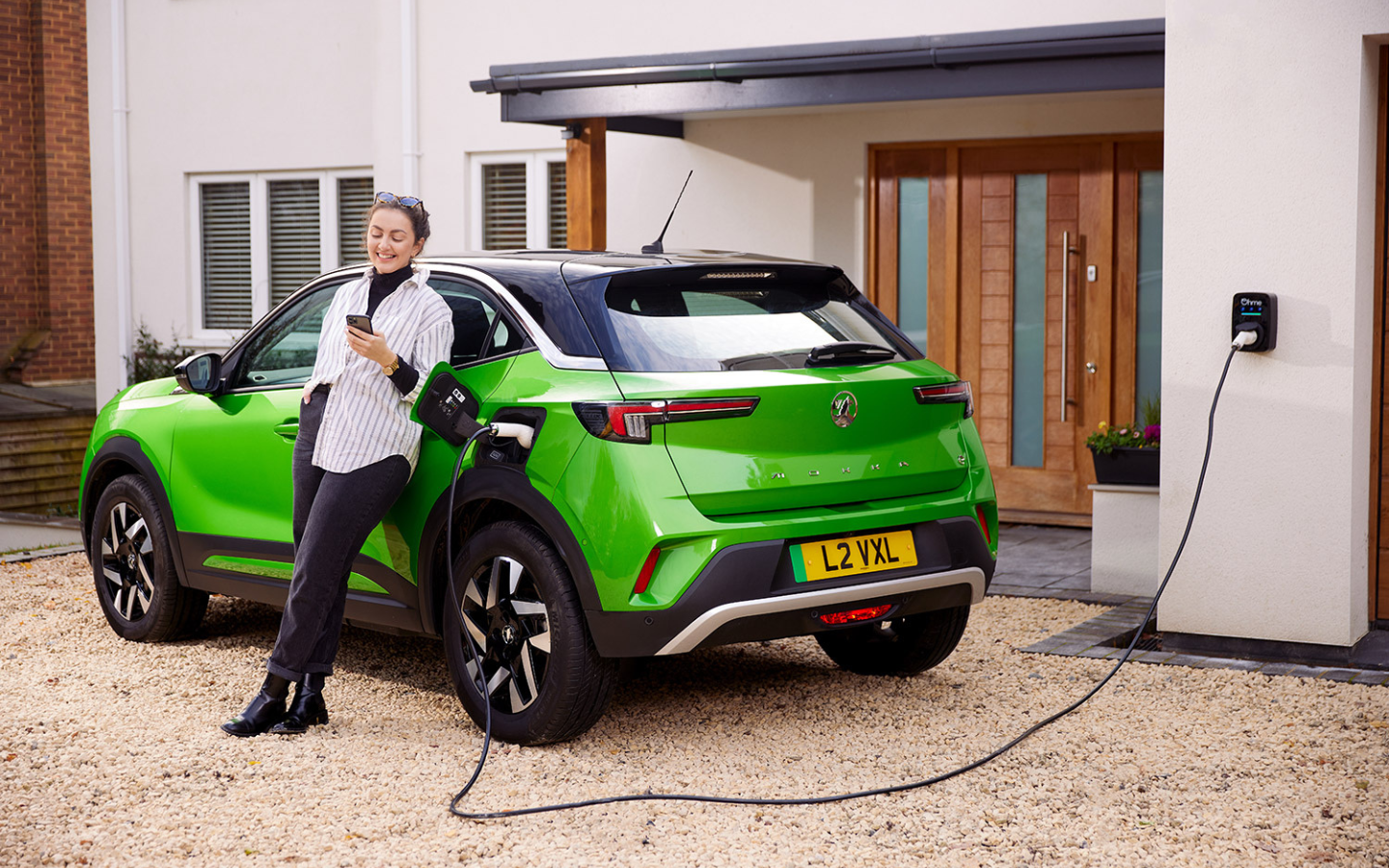
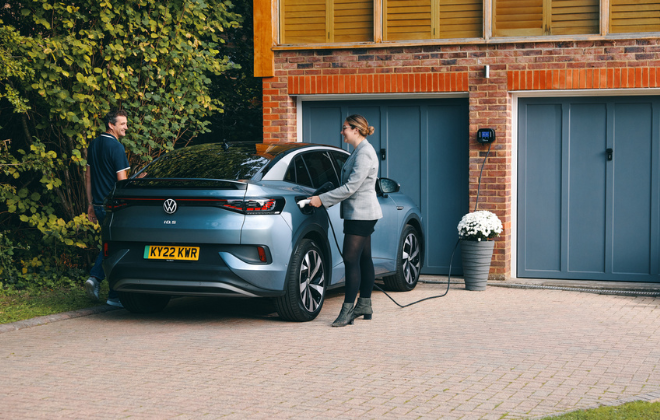
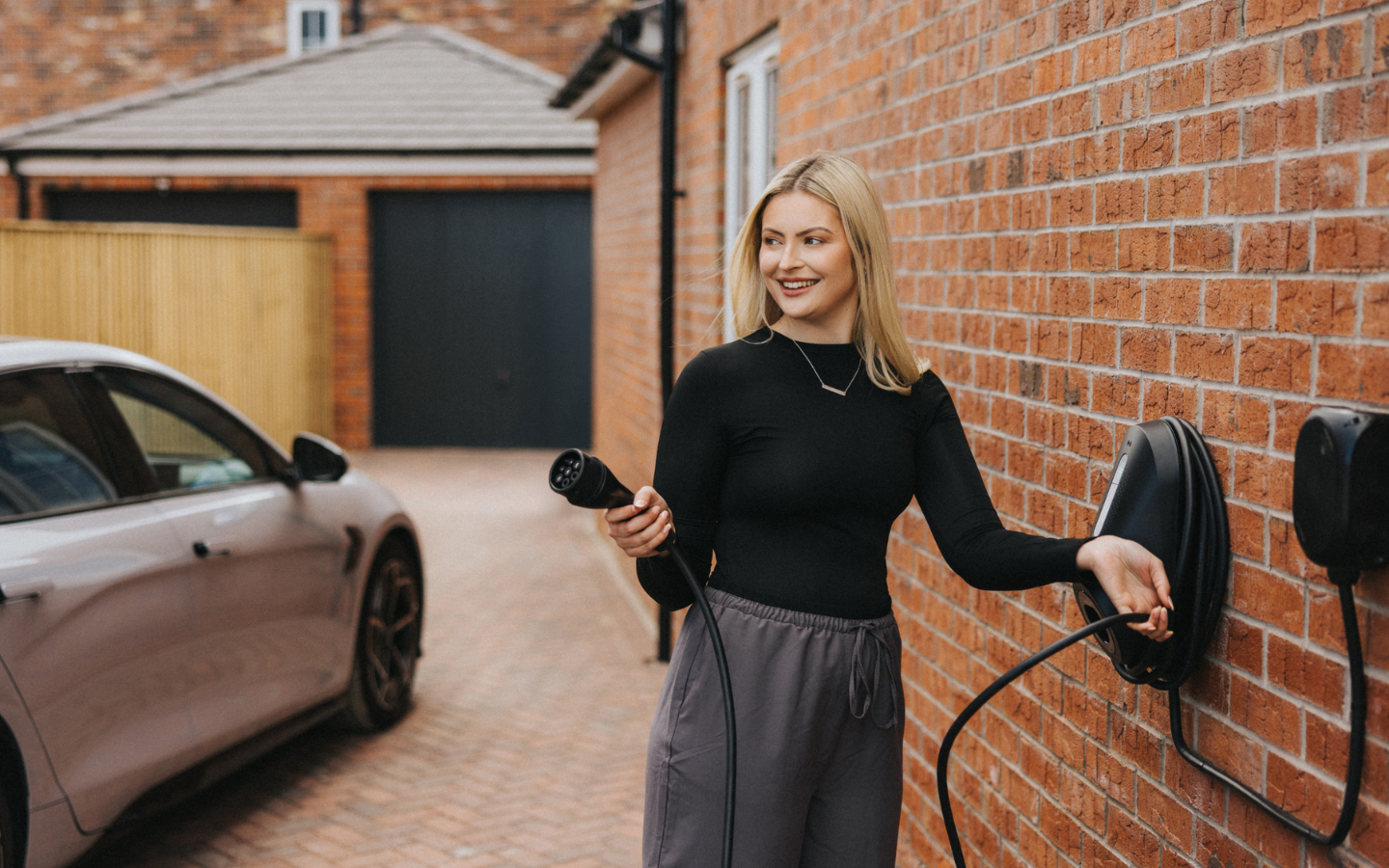
5. Keep your EV plugged in to charge at home
Most EVs benefit from thermal management systems, so if your electric vehicle is plugged in to charge, it will regulate your battery’s temperature without draining it.
Moreover, keeping your EV plugged in at home helps with the preconditioning feature, as even though you have set your EV to pre-cool, your charge won’t decrease due to the constant flow of electricity from the supply.
One to note: It’s wise to set your electric vehicle to stop charging at 80% to support battery health.
But don’t fret; your electric car won’t overcharge if left plugged in due to its intelligent and advanced systems, meaning no increase in your electricity bill.

Bonus: Solar EV charging
While technically not a tip, summer is the best time to take advantage of solar electric car charging.
Not only will charging with a solar electric vehicle charger decrease your electricity bills, but it will also help slash your carbon footprint.
Our best-selling solar EV chargers, the VCHRGD Seven Pro and the Zappi Glo, come solar-ready.
Summary:
- Our tips for driving your EV in summer include: using eco-mode, taking advantage of preconditioning, travelling light, parking in the shade, only charging to 80%, limiting rapid charging, avoiding charging immediately after driving, and keeping your EV plugged in at home.
- Take advantage of the sun with a solar home EV charger, allowing you to charge for cheaper and greener with free surplus solar energy.
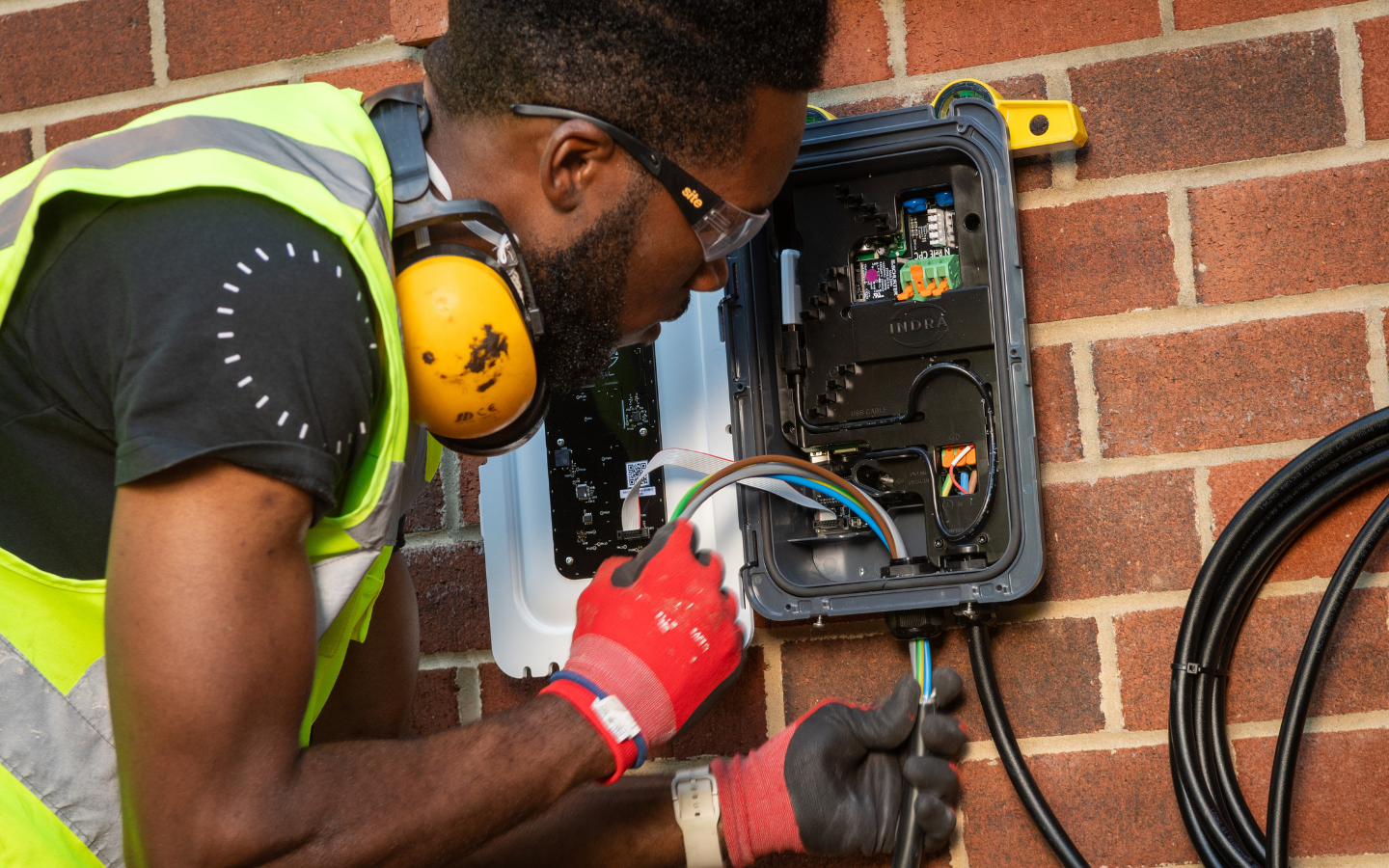
Are you looking to get a home EV charger installed? We Power Your Car can sort it for you.
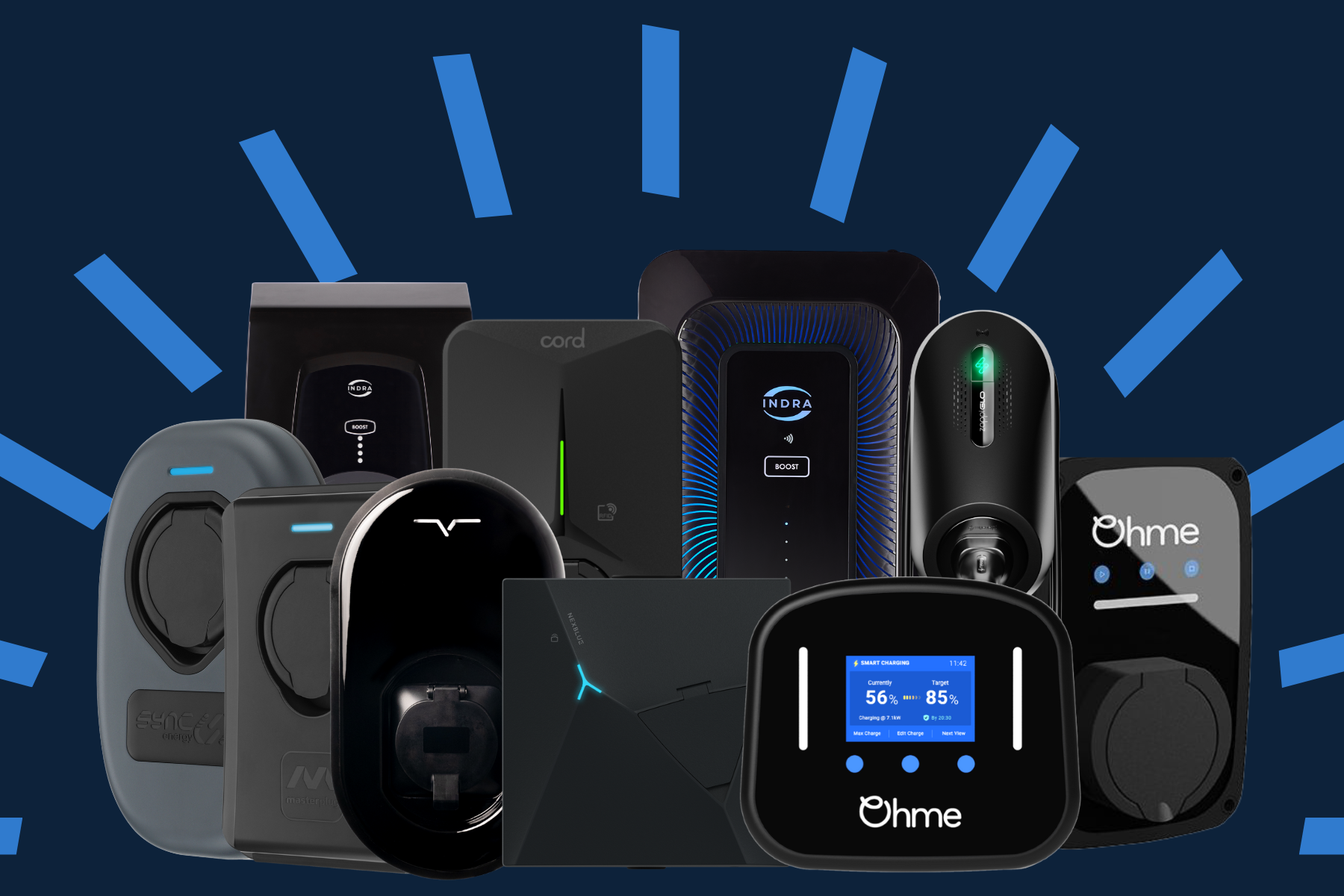
Browse our wide range of electric vehicle chargers or contact us directly at 03333 44 96 99 for tailored, unbiased advice from one of our EV charging experts.
Trusted. Experienced. Accredited. We offer complete EV charger and installation packages nationwide, all with first-class customer service.
Don’t believe us?
Take a look at thousands of Trustpilot reviews from our happy customers or check out our qualifications:
- Safe Isolation Provider
- ISO accredited (ISO 9001, ISO 14001 and ISO 45001)
- OZEV-approved
- NICEIC approved
- Safe Contractor Approved
- HERS accredited
For more information and our latest updates, make sure you’re following us on social media. You can find us on Facebook, Instagram, Twitter, and LinkedIn.
New to the process? Take a look at our comprehensive guide to EV charger installation for more information on costs, timelines, and the step-by-step process.