



EV Charger Maintenance Guide: Cleaning, Servicing & Costs
EV charger maintenance is the routine inspection, cleaning and professional servicing of a home or commercial charge point, carried out to keep it safe, efficient, and compliant with its manufacturer’s warranty, any insurance, and all electrical regulations.
Owners can and should handle the basics themselves: checking the casing, cable and socket for damage, wiping the unit down with a damp microfibre cloth, and keeping the firmware up to date. Beyond these bi-weekly checks, EV charger servicing should be carried out by a qualified, accredited EV charger installer every 1–3 years for home chargers, or every 6–8 months for commercial units, which see heavier daily use.
Common warning signs that an EV charger needs attention include flashing red LED lights, slower charging speeds, burning smells, buzzing noises, a hot casing, or visible cracks; any of these should be treated as a signal to stop using the charger and contact a certified electrician rather than attempting a repair.
This guide covers everything you need to know, from day-to-day cleaning to professional EV charger servicing schedules, so you know exactly what to do and when to call in an expert, straight from OZEV-approved, SIP-accredited, nationwide EV charger installers with over 40,000 installations under our belt.
Last updated: September 2026
What is EV charger maintenance?
EV charger maintenance covers two levels of care: simple owner-level tasks, including visual checks, wiping down the casing, keeping firmware updated, and periodic professional inspections carried out by a qualified EV charger installer. Together, these keep an EV charger safe, efficient and compliant with warranty and insurance requirements.
Do EV chargers need regular maintenance and servicing?
Absolutely, EV chargers should be subject to regular maintenance checks and, every so often, servicing to keep them in the best condition.
It’s not a legal requirement; many people have their chargepoint installed and tend to forget it apart from plugging in. That’s usually fine for home EV chargers. Smart EV chargers are packed with the latest and best technology and strong materials, built to withstand strong weather and, to some extent, time. High IP ratings, high IK ratings, and strong materials ensure EV chargers are built for safety.
That said, incorporating maintenance checks helps to boost your charger’s lifespan and ensures peace of mind, protecting you, your charger, your car, and your home.
Why does EV charger maintenance matter?
Consistent EV charging maintenance ensures:
- Safety: catches faults like exposed wiring or moisture ingress before they become hazards.
- Longevity: reduces wear on cables, connectors and internal components
- Warranty protection: most manufacturers require evidence of upkeep; non-compliance can invalidate the warranty.
- Insurance protection: some home and business insurance policies require chargers to be kept in line with regulations and up to date.
- Reliability: a well-maintained charger means you’re never caught out and forced to rely on expensive public charging.
How do I maintain my EV charger? (4-step owner checklist)
You don’t need to be an electrician to keep on top of basic upkeep. Here’s the routine we recommend to every charger owner.
1. Frequently check your EV charger
A quick visual and physical check takes seconds and can catch a problem early. Look at:
- Exterior casing: cracks, dents or discolouration
- Socket: dust or dirt hiding in the contacts, especially on socketed (untethered) units
- Cable: feel along its length for kinks, bumps or soft spots
- Buttons and display: sticking, unresponsive or fogged/moisture-affected
- Base and mounting: signs of water pooling or loose fixings
See something wrong? A cracked cover? Exposed wire? Discolouration? Contact a professional EV charger installer to have this repaired or replaced. Do not try to do it yourself.
Note: Wear and tear will occur over time; cosmetic damage, such as a small scratch, while not visually appealing, is usually not a cause for concern.
We offer comprehensive maintenance and repair packages, or offer one-off repair and maintenance callouts. As OZEV-approved, SIP-accredited, and NICEIC-approved, you have peace of mind that your repair is safe and up to electrical standards.
2. Practise good EV charger hygiene
A wipe-down with a microfibre cloth removes dirt and debris, keeps the unit looking clean, and stops grime working its way into the seams over time.
Fun fact: smart EV chargers are weatherproof by design (high IP ratings for outdoor installation), so getting the casing wet in the rain or when lightly cleaning isn’t a concern.
How to clean your EV charger:
- Turn the charger off, or switch off the electricity supply if you’re comfortable doing so
- Wipe the exterior casing with a damp microfibre cloth. Avoid harsh cleaning products. Plain water is usually enough; use a little mild soapy water for stubborn marks.
- For dust in vents or seams, use a dry dust brush or compressed air rather than liquid.
What to use:
- Microfibre cloths
- Soft, damp (not soaked) sponges
- Mild soapy water, if needed
What to avoid:
- Pressure washers or hoses
- Bleach, glass cleaner or solvents
- Abrasive scourers, brushes or scouring sponges
- Strong chemicals of any kind
Never clean visible electronics, the charging port’s internal contacts with liquid, or open the charger casing yourself.
3. Check for software updates
Keeping firmware current is part of proper EV charger maintenance, especially for smart chargers. Updates may be delivered:
- Automatically over-the-air (most modern smart chargers offer free over-the-air updates)
- Manually via the manufacturer’s app
- Through an on-device button or screen
If your charger feels slow to respond or isn’t behaving as smartly as it should, an overdue update is a common cause. It’s a quick, easy fix that might go unnoticed.
Note: Many EV chargers come packed with over-the-air updates, which will refresh your charger’s tech without you having to lift a finger.
4. Keep your cable safe
Tethered chargers: secure the cable in a wall-mounted holster so it isn’t bent, kinked, or left trailing across the driveway.
Socketed chargers: unplug gently and store the cable somewhere protected, such as a garage or boot, away from the weather.
Replacement EV charging cables typically cost £100–£200, so a little care goes a long way.
What are the warning signs that your EV charger needs maintenance?
Book a professional check if you notice any of the following:
- Flashing or red LED lights (these indicate a fault code)
- Noticeably slower charging speeds
- A burning smell near the unit
- Buzzing or humming noises during charging
- The casing feels hot to the touch
- Visible cracks in the casing
- Dents from impact
- The circuit breaker tripping repeatedly
- Sparks when plugging in or removing the cable
- Persistent moisture, condensation or discolouration inside or around the unit
Any one of these is a sign to stop using the charger and call a qualified installer rather than waiting for your next scheduled service.
How do I clean my charger port?
Never use liquid directly inside the charging port. Instead:
- Make sure the charger is switched off
- Use a dry, soft brush (an old toothbrush works well) to gently remove dust or debris from the port opening
- For stubborn dirt, a short burst of compressed air can dislodge it
If you see corrosion, discolouration, or debris you can’t safely remove, stop and call a professional.
How often should an EV charger be serviced?
Based on our 2025/2026 callout data, we feel the following timelines are when an EV charger should be serviced:
EV charger type |
Recommended servicing frequency |
| Home EV charger | Every 1–3 years (usually after the traditional 3-year warranty ends) |
| Commercial / workplace EV charger | Every 6–8 months |
Commercial units need more frequent servicing because higher usage from multiple drivers and employees accelerates wear. Preventative maintenance ensures our EV chargers are always running smoothly and prevents downtime. What’s more, if installed with grant funding, commercial EV chargers need to be well maintained as OZEV can audit your EV chargers at any point.
Always check your specific manufacturer guidance and ask your installer for a tailored recommendation, as usage patterns and local conditions (coastal, exposed, high-traffic) can shorten these intervals.
What’s included in a professional EV charger maintenance package?
A typical professional service includes:
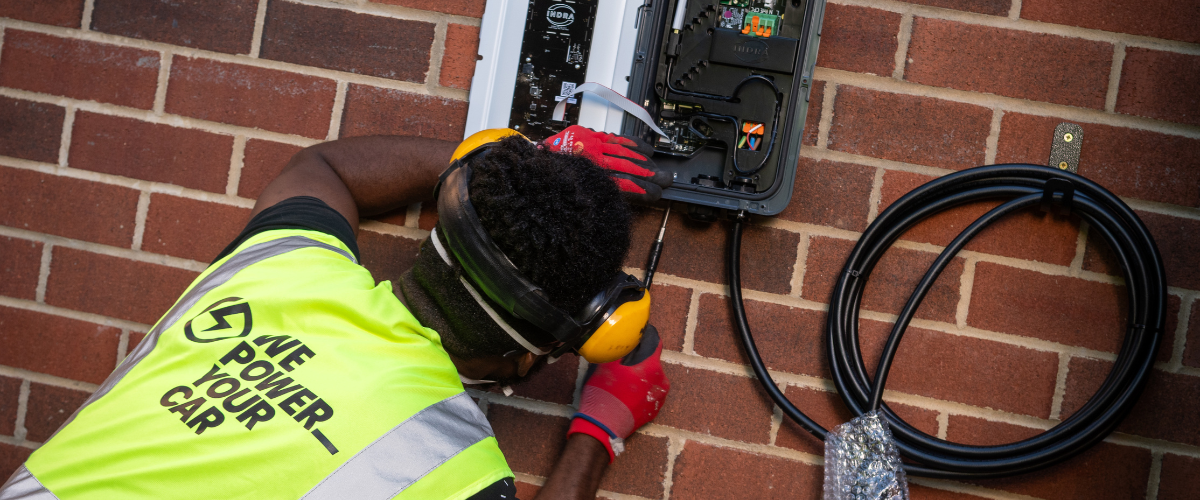
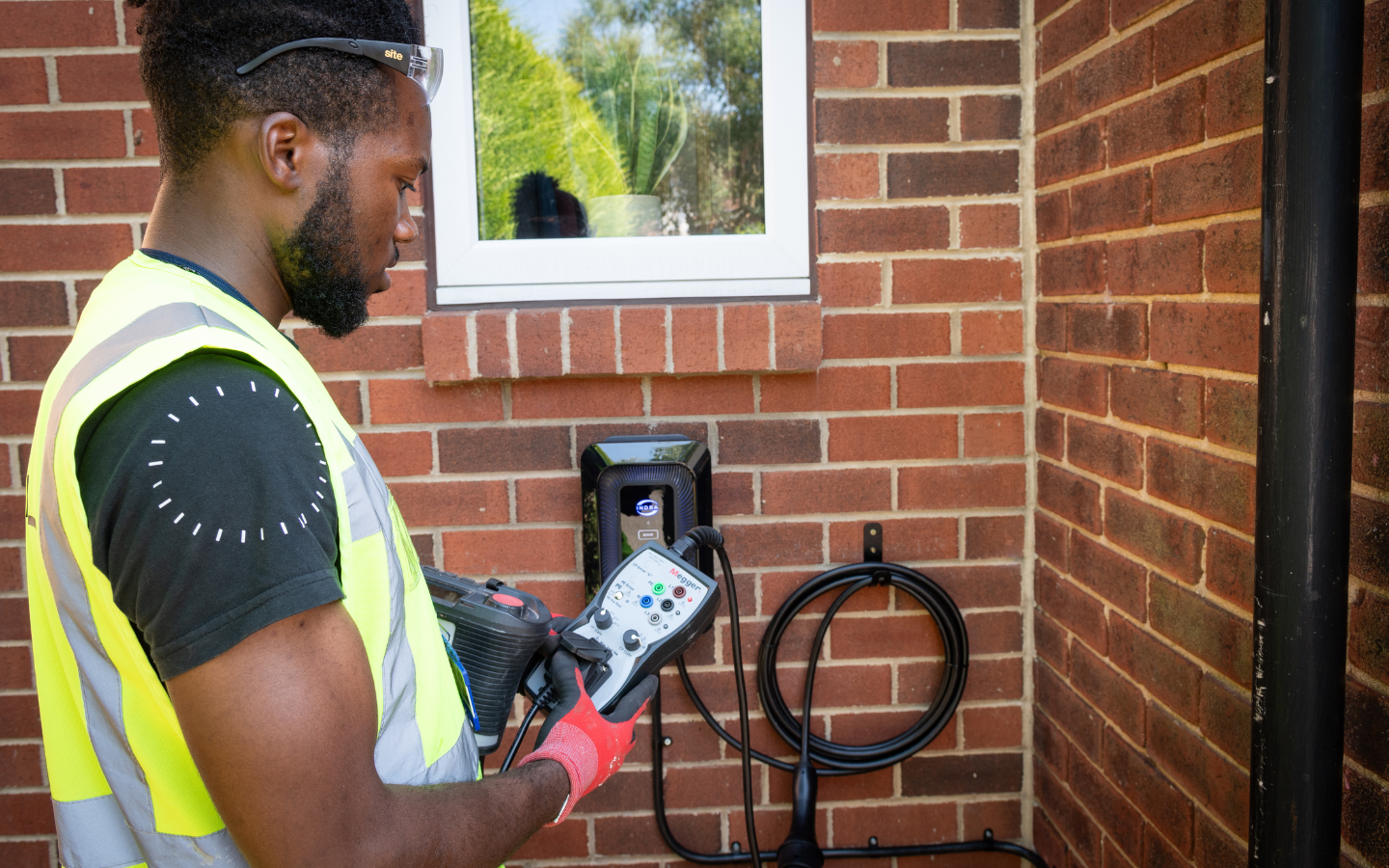
- Full visual and physical inspection of the unit, cable and mounting
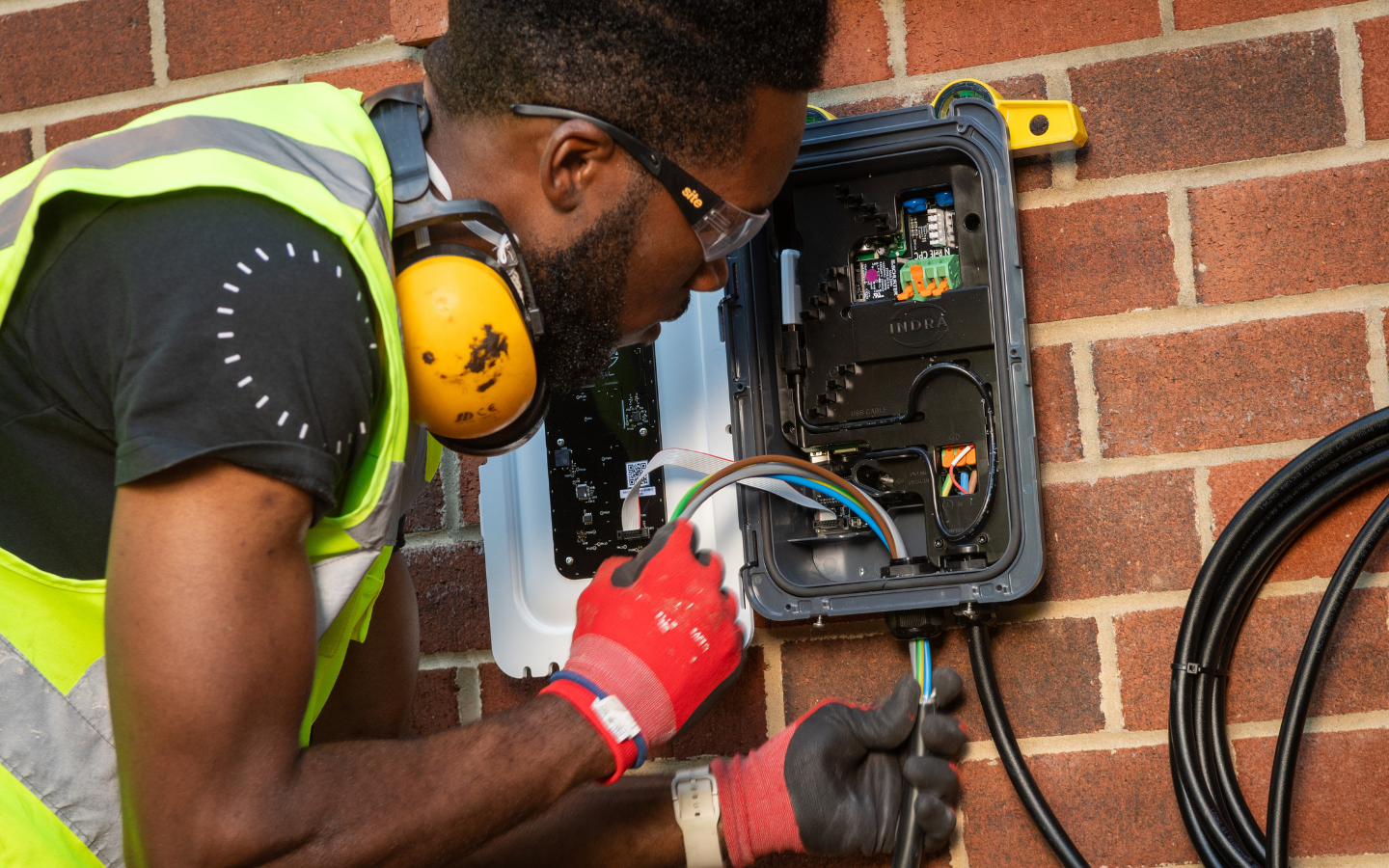
- Electrical safety testing and fault diagnosis
- Checking and updating firmware/software
- Checking internal connections
- Verifying earthing and RCD (residual current device) protection
- A written report confirming the charger is safe and compliant
- Advice on any charger upgrades where relevant
Why choose a professional EV charger installer for maintenance?
Because EV chargers are mains-powered electrical equipment, professional servicing isn’t optional if you want it done safely and compliantly. A qualified installer will:
- Diagnose faults accurately rather than guessing
- Carry out repairs to current electrical safety standards
- Keep your warranty and insurance valid
- Have access to manufacturer-specific parts and diagnostic tools
- Look for accreditations such as OZEV-approved, NICEIC-approved, or membership of a recognised competent person scheme: these confirm an installer is certified to work on EV charging equipment to UK safety standards.
Tip: For the safest EV charger maintenance, search for SIP-accredited EV charger installers.
EV charger maintenance FAQ
How often should I clean my EV charger?
A quick visual check weekly, and regular cleaning, i.e. a wipe-down with a damp microfibre cloth as needed. Monthly is a good default for most homes.
Can I get my EV charger wet when I clean it?
Yes. Most smart EV chargers are weatherproof by design and rated for outdoor use, so getting your EV charger slightly wet is not a problem. So long as it’s not inside the charger.
What should I never use to clean an EV charger?
Avoid pressure washers, hoses, bleach, glass cleaner, solvents and abrasive brushes or scourers.
How much does EV charger servicing cost?
Costs vary by installer and package, but a routine home servicing visit is generally far cheaper than replacing a damaged unit or cable.
Ask your installer for a quote based on your charger model.
What are the first signs my EV charger needs attention?
Flashing red lights, slower charging, unusual noises, or a warm casing are the earliest and most common warning signs. EV charging point maintenance is needed in these cases.
Ready to book a professional maintenance check or one-off repair? Contact We Power Your Car.
Your EV charger is a serious investment, and like any piece of home electrical equipment, it deserves more than a “install and forget it” approach.
As an OZEV-approved, NICEIC-approved and SIP-accredited installer, we can supply, install and maintain your EV chargers, keeping them running safely, efficiently and under warranty for years to come.
Our maintenance packages take the guesswork out of upkeep: scheduled inspections, fault diagnosis, firmware checks and full compliance testing, carried out by engineers who know your charger inside out. Don’t wait for a warning sign to book a check. Get in touch today at 03333 44 96 99 to arrange your EV charger maintenance package and drive with total confidence, every single charge.
Still on the fence? Take a closer look at over 3,000 Trustpilot reviews. Spoiler: We’re rated 4.9 Excellent.
Alternatively, explore our credentials and experience:
- Safe Isolation Provider
- ISO accredited (ISO 9001, ISO 14001 and ISO 45001)
- OZEV-approved
- NICEIC approved
- Safe Contractor Approved
- HERS accredited
- 40,000 installations