


BP Pulse Charging Network Guide: Prices, Locations & More
Quick summary:
- BP Pulse is a popular public EV charging network in the UK, offering fast (AC 7kW), rapid (AC 43 kW, DC 50 kW and DC 75 kW) and ultra-rapid (DC 150kW and DC 300 kW) EV charging stations.
- Price-wise, BP Pulse EV chargers range from 51p per kWh to 93p per kWh, depending on the location and speed. For the cheapest prices, EV drivers should take up the BP Pulse subscription.
- You can find BP Pulse charging points usually at forecourts and supermarkets, with destination chargers and on-route chargers being their speciality.
As one of the UK’s leading EV charger installers, with over 40,000 installations under our belt and a 4.9 Excellent Trustpilot rating, we are taking new, prospective and current EV drivers through each public EV charging network.
In the next electrifying instalment of our public network series, where we dive into the UK’s best (and the worst) of the UK’s public charging infrastructure, we’re charging on with BP Pulse. Find out everything you need to know about the BP Pulse charging network, including locations, prices and more.
Last updated: September 2026
What is BP Pulse?
As a core part of BP’s plan to hit net zero by 2050 (or sooner), BP Pulse is helping to drive the UK’s transition to electric with their range of fast, rapid and ultra-rapid public chargers spread far and wide, North to South, East to West.
Where do I find BP Pulse charging stations?
Typically, you’ll find BP Pulse charging stations at supermarkets, such as M&S and Waitrose, in addition to special gigahubs.
To specifically find available BP Pulse charging points near you, use one of the following methods:
What do BP Pulse charging stations look like?
Most BP Pulse EV chargers are tall and pillar-like, standing confidently as part of the modern EV charging landscape. The design is clean and sleek, with glossy white surfaces accented by little bursts of their brand dark blue, which gradient into a light green. Large touchscreens will likely be ready for you at the front to start your charging sessions, too. And, of course, the Helios will be there (the sun-like logo).
The only charging station that differs in the public charger portfolio is the 7kW BP pulse charging point, which is much smaller than the rapid and ultra-rapid charging points that almost look akin to robots. Slim and short, the 7kW chargers are not only different in size but also in colour. While blue and green are still heavily featured, these charging points are coated entirely in black.
Is BP Pulse EV charging free?
Unfortunately not. Sadly, public charging points, as standard, aren’t free anymore and are actually more expensive than charging your EV at home.
In truth, most public charging networks cost similar prices. The reason? These chargers, nine times out of ten, are rapid or ultra-rapid chargers, providing significantly more energy to your EV battery than fast chargers (in other words, home EV chargers). For example, the average home charger charges at 7kW AC (alternating current), whereas public charging stations can reach heights of 350kW with direct current. The faster the speed, the higher the price.
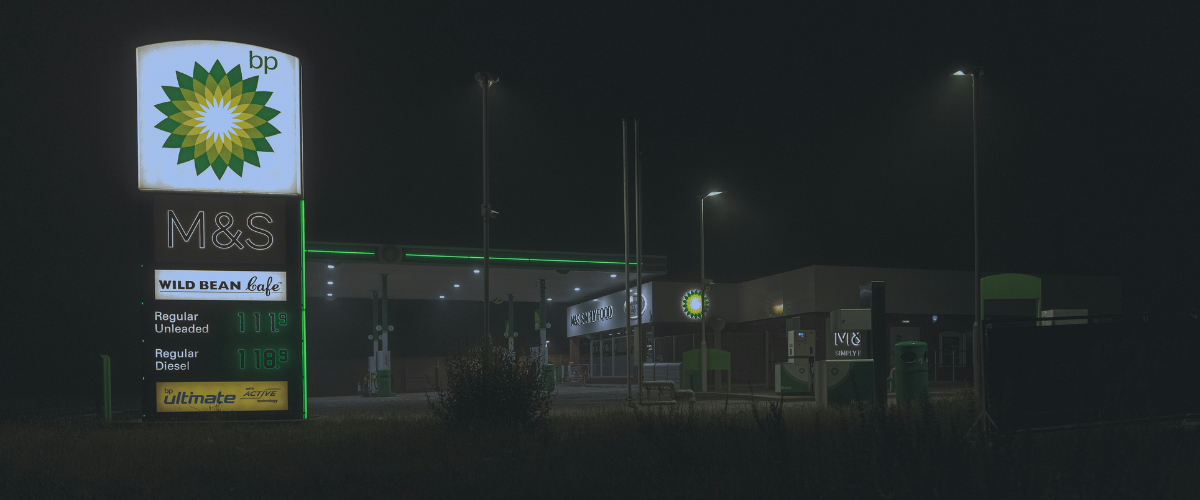
While BP charging points might not be free, they do offer other benefits to electric car drivers. Especially for coffee lovers. Get 50% off at Wild Bean Café, and recharge your beans while charging your car.
How much does it cost to charge at a BP Pulse charging station?
The price depends on what charger you use – specifically, the speed – and how you pay. Typically, you get the benefits of cheaper electricity prices with the BP Pulse membership. Remember, the faster you charge your electric car, the more expensive it will likely be.
Membership subscription price:
Type of kW EV charger |
Price per kWh |
| Fast charging (7kW) | £0.52 |
| Rapid charging (43/50kW) | £0.63-£0.74 |
| Ultra-rapid (150kW+) | £0.63 – £0.74 |
Pay as You Go (PAYG):
Type of kW EV charger |
Price per kWh |
| Fast charging (7kW) | £0.65 |
| Rapid charging (43/50kW) | £0.79-£0.93 |
| Ultra-rapid (150kW+) | £0.79-£0.93 |
Contactless:
Type of kW EV charger |
Price per kWh |
| Fast charging (7kW) | £0.65 |
| Rapid charging (43/50kW) | £0.79-£0.93 |
| Ultra-rapid (150kW+) | £0.79-£0.93 |
Note: You might be charged a pre-authorisation fee of £45 or £50 for 50kW or 150kW chargers.
Wondering how much it costs to charge an electric car? Explore our guide to EV charging costs.
How much is a BP Pulse subscription?
A BP Pulse subscription in 2026 comes to £7.85 per month, including VAT, with the first month free.
You can cancel anytime, as you aren’t locked into a subscription.
How do I pay for BP Pulse charging stations?
For ease of use, there are multiple ways to pay for charging on the BP Pulse network:
- Through the app with a full BP Pulse membership (sometimes referred to as the BP Pulse subscription)
- BP Pulse charge card (sometimes called an RFID card)
- Contactless bank card or other contactless payment methods such as Apple Pay or Google Pay
- Pay online through the live map
Is BP Pulse on Electroverse?
Sadly, no – BP Pulse is not available on Octopus Electroverse.
What charging rates and connectors are available at BP Pulse?
Charger type |
AC or DC |
Speed classification |
Connector type |
How long does it take to charge your electric car? |
| 7kW | AC | Fast | Type 2 | 6-12 hours |
| 43kW | AC | Rapid | Type 2 | 45 minutes – 60 minutes |
| 50kW | DC | Rapid | CCS
CHAdeMO |
30 minutes – 60 minutes |
| 75kW | DC | Rapid | CCS
CHAdeMO |
30 minutes – 45 minutes |
| 150kW | DC | Ultra-rapid | CCS
CHAdeMO |
20 minutes to 40 minutes |
| 300kW | DC | Ultra-rapid | CCS
CHAdeMO |
15 minutes to 30 minutes |
Note: Check your electric car’s maximum onboard charging rate before you use a rapid or ultra-rapid charger, as it might not be able to charge at that rate. For example, the Mini Cooper E Performance has a maximum DC charging rate of 95kW, meaning that while you can still plug into a 300kW charging point, your EV won’t charge at 300kW, only charging at its maximum charging rate: 95kW.
Are BP Pulse EV chargers tethered or untethered?
Fast chargers: Untethered. Make sure you bring your EV charging cable to be able to charge.
Rapid and ultra-rapid chargers: Tethered. You don’t need your own cable; there will be one permanently attached to the charging station.
RELATED: Tethered VS Untethered EV Chargers: What’s the Difference?
How do BP Pulse costs compare to home EV charging costs?
EV charging option |
Rate |
Cost for 30 miles of range |
| At home with a smart EV charger and the Intelligent Octopus Go tariff | 8p per kWh | £0.69 |
| At home with a smart EV charger and Ofgem’s Energy Price Cap | 26.11p per kWh | £2.25 |
| BP Pulse subscription fast charger | 52p per kWh | £4.47 |
| BP Pulse fast charger contactless/PAYG | 65p per kWh | £5.59 |
| BP Pulse subscription ultra-rapid | 74p per kWh | £6.36 |
| BP Pulse contactless/PAYG ultra-rapid | 93p per kWh | £8.00 |
Ready to swap expensive public EV charging costs for cheaper, more convenient home charging? You’re in the right place.
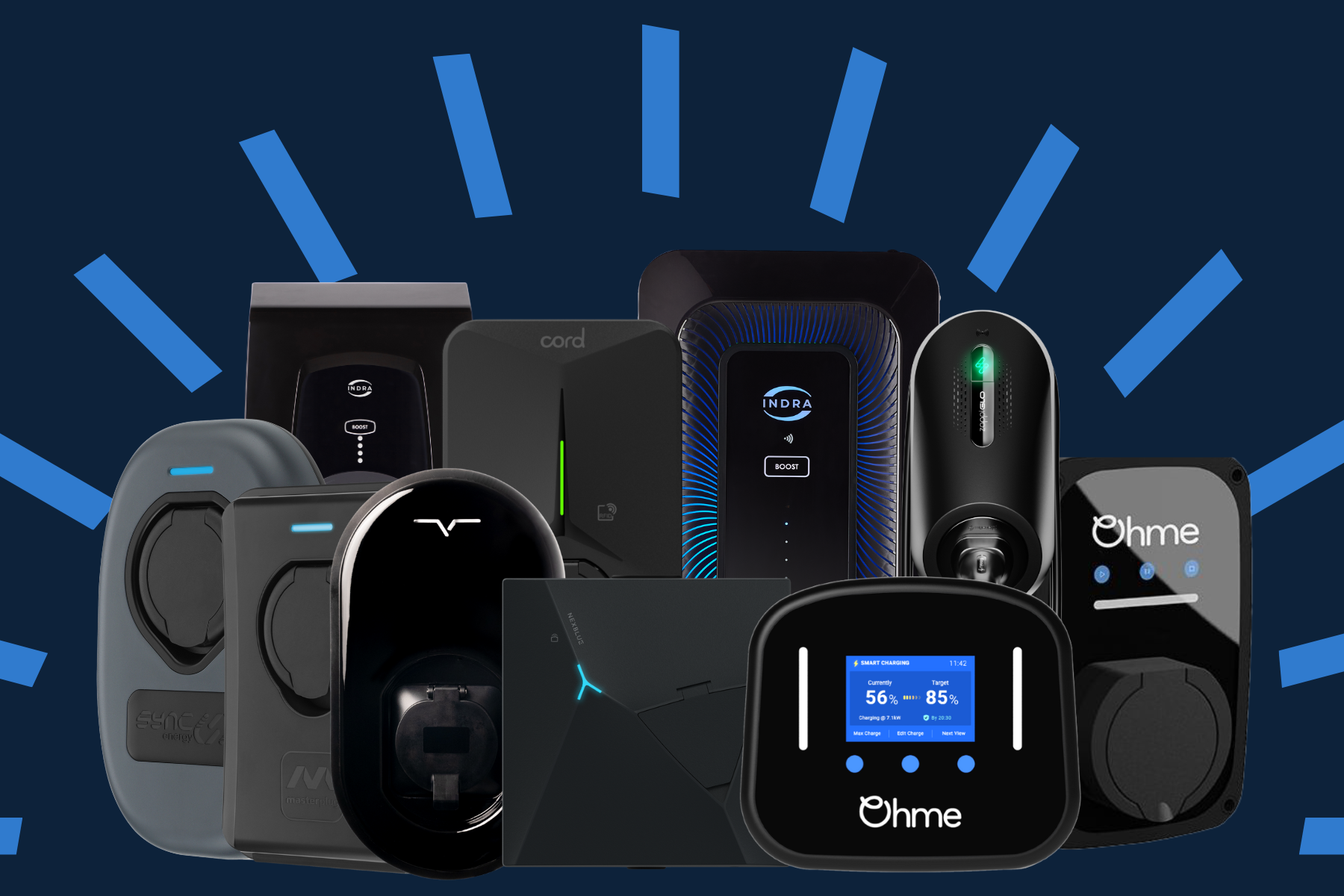
Charge for as little as 8p per kWh during off-peak hours with the right home charging setup. Trust the experts. Choose from leading EV chargers, including the intelligent Ohme Home Pro and the slimmest charger on the market – the Indra Smart LUX. We only supply and install the best EV chargers on the market. To make life easier, we handle the entire EV charger installation process for you, including DNO notifications and any eligible grant applications – all with first-class customer service.
Don’t believe us? Browse thousands of Trustpilot reviews from our happy customers. Spoiler: We’re rated 4.9 Excellent.
Or, take a look at our credentials:
- Safe Isolation Provider
- ISO accredited (ISO 9001, ISO 14001 and ISO 45001)
- OZEV-approved
- NICEIC approved
- Safe Contractor Approved
- HERS accredited
- 40,000 installations
Shop our wide range of electric car chargers now or contact one of our EV charging experts at 03333 44 96 99 for unbiased, tailored advice.