











UK Car Sector Autumn Budget Impact: Electric Cars
The recent Autumn Budget is a clear signal: electric cars are here, and they are here to stay. As the EV market matures and takes its victory lap with 1 in 4 buyers going zero-emission, changes, especially in tax, were always bound to be made. It’s a sign of success.
Headlines, of course, are heavily putting electric cars through the wringer with the introduction of the pay-per-mile tax, but the UK car sector autumn budget impact is, on the whole, a positive one.
Today, we explore and dissect Chancellor Rachel Reeves’ Autumn Budget and how it impacts electric vehicles (EVs).
Autumn Budget Summary:
- A confirmed pay-per-mile tax system: Electric cars and plug-in hybrids will be subject to a pay-per-mile tax from April 2028 at 3p per mile for BEVs and 1.5p per mile for PHEVs.
- Electric Car Grant extension: A further £1.3 billion has been injected into the Electric Car Grant scheme, with it now extended until 2030.
- Higher luxury road tax threshold: From April 2026, the threshold for the luxury car supplement for road tax will go from £40,000 to £50,000 for battery electric cars, allowing more wiggle room for buyers wanting a mid-high price range EV.
- BIK: Benefit-in-kind tax remains untouched by the Autumn Budget, staying at 3% in 2025 and 4% in 2026.
- VAT: VAT remains the same.
- Fuel duty: Fuel duty freeze continues for ICE vehicles.
1. The introduction of a pay-per-mile tax for electric cars (from April 2028)
From April 2028, zero-emission vehicles, specifically battery electric vehicles and plug-in hybrid vehicles, will move onto a new mileage-based road tax system, often referred to as Electric Vehicle Excise Duty (eVED) or pay-per-mile tax.
UK-registered electric cars will be subject to the levy based on how many miles they drive.
Explore the details of pay-per-mile tax for electric cars in our complete guide.
New pay-per-mile rates for electric cars:
- 3p per mile for battery electric cars
- 1.5p per mile for electric hybrids
How much will the pay-per-mile tax be for BEVs and PHEVs?
Cutting through the noise, the pay-per-mile tax in practice looks like:
| Miles per Year | BEVs at 3p per mile | PHEVs at 1.5p per mile |
| 5,000 | £150 | £75 |
| 8,000 | £240 | £120 |
| 11,000 | £330 | £165 |
| 14,000 | £420 | £210 |
| 17,000 | £510 | £255 |
| 20,000 | £600 | £300 |
The rough estimate: An electric car driver covering 8,500 miles is looking at roughly £255 per year in pay-per-mile tax. That’s still half the amount petrol/diesel owners would be paying in fuel tax.
How will electric vehicle drivers pay?
Some have speculated that GPS trackers will be installed inside electric cars to track if drivers have paid their pay-per-mile tax. That won’t be the case. Instead:
- Electric and hybrid drivers will self-report their annual mileage
- Select their payment option: pay upfront or via monthly direct debit
- Mileage will be checked during MOT tests, or for newer vehicles, it will be checked during their first and second registration anniversary.
Pay-per-mile tax – our thoughts:
While sceptics would argue this is doomsday for electric cars, we as realists would argue that it’s a positive sign that electric cars are becoming mainstream.
With over 1,880,000 battery electric cars in the UK already, it’s not shocking that actions are in place for when the UK goes fully electric. The taxation of electric vehicles was inevitable, especially as zero-emission vehicles claim larger market shares.
Best of all, the Office for Budget Responsibility (OBR) has made several nods to how the pay-per-mile tax won’t be a deal breaker for EV adoption.
For one, it’s claimed that the other EV initiatives will offset the eVED tax.
And two, they’ve commented that the new tax still has what petrol car owners pay in fuel duty:
Last but not least, the start date for EV pay-per-mile tax is not for a few years, so electric car owners can still enjoy the extensive benefits while being short-term fuel tax-free.
2. Changes to Road Tax: Luxury car tax threshold increased (from April 2026)
Electric cars first started paying Vehicle Excise Duty (VED) in April 2025, having been exempt in the past. The previously unpaid VED Expensive Car Supplement changed, too, meaning electric cars costing over £40,000 were subject to the expensive car supplement fee.
In the Autumn Budget, the expensive car supplement (ECS), sometimes referred to as the luxury car tax, has shifted.
Key changes:
- The threshold for the luxury EV tax will rise from £40,000 to £50,000 from April 2026.
- Petrol, diesel and hybrid cars will all still be subject to the £40,000 luxury car tax higher rates threshold.
Luxury car tax changes – our thoughts:
New EV buyers will be more likely to be able to purchase new mid to upper range electric cars without being subject to the luxury car tax, at a £425 surplus charge per year. We feel this will encourage the number of buyers choosing more premium electric cars over more premium petrol/diesel vehicles.
3. Electric Car Grant, extended (Until 2030)
On the back of the success of the UK government’s £650 million Electric Car Grant already, offering up to £3,750 off a new EV, the government is injecting a further £1.3 billion into continuing the scheme until 2030.
Ian Plummer, Chief Commercial Officer at Autotrader, the UK’s largest automotive marketplace, said:
More and more eligible EV models are being added as we speak, with a lineup of 40 electric cars, including the popular and newly revamped Nissan Leaf.
Electric Car Grant extension – our thoughts:
So far, the electric car grant scheme has sparked a surge in EV registration: 40,000 new EV drivers since July. Imagine how many buyers will choose electric over petrol and diesel with this incentive in place, especially as the list of eligible EVs lengthens.
Autumn Budget 2025, final thoughts:
At first glance, the 2025 Autumn Budget may seem like a step backwards for the UK’s electrification. In reality, it marks a major milestone: electric cars are no longer considered niche alternatives; they’re slipping into mainstream transportation.
Realistically, zero-tax transportation was never sustainable at scale, and would never have been the case forever. In truth, the early incentives, such as no pay-per-mile tax, Congestion Charge and VED tax exemption, were always temporary tools to accelerate the adoption – which has worked.
Now that the electric vehicles are here to stay, things need to change–and we were always inevitably going to. And with this, it’s only fair for them to play a role in the tax system. Tax policy is therefore only stabilising with the significant growth of electric cars over the past few years.
Even with the introduction of a pay-per-mile tax, the 2025 Autumn Budget also brings the following positives for electric car drivers:
- Extended Electric Car Grant
- Higher luxury VED thresholds
- Continued lower running costs than ICE vehicles – even with the pay-per-mile tax introduction.
Overall, while in the short term it may stop certain buyers from moving forward with an EV purchase, and despite what other titans in the industry say, the Autumn Budget 2025, in the grand scheme of things, is positive. And above all, it’s still considerably cheaper to run an electric car than an ICE vehicle, too- even with eVED.
Don’t believe us? Use the New AutoMotive electric vehicle tax calculator and find out how much you can still save.
Already made the switch to electric? Don’t forget your EV charger: you can charge overnight for less than a coffee*
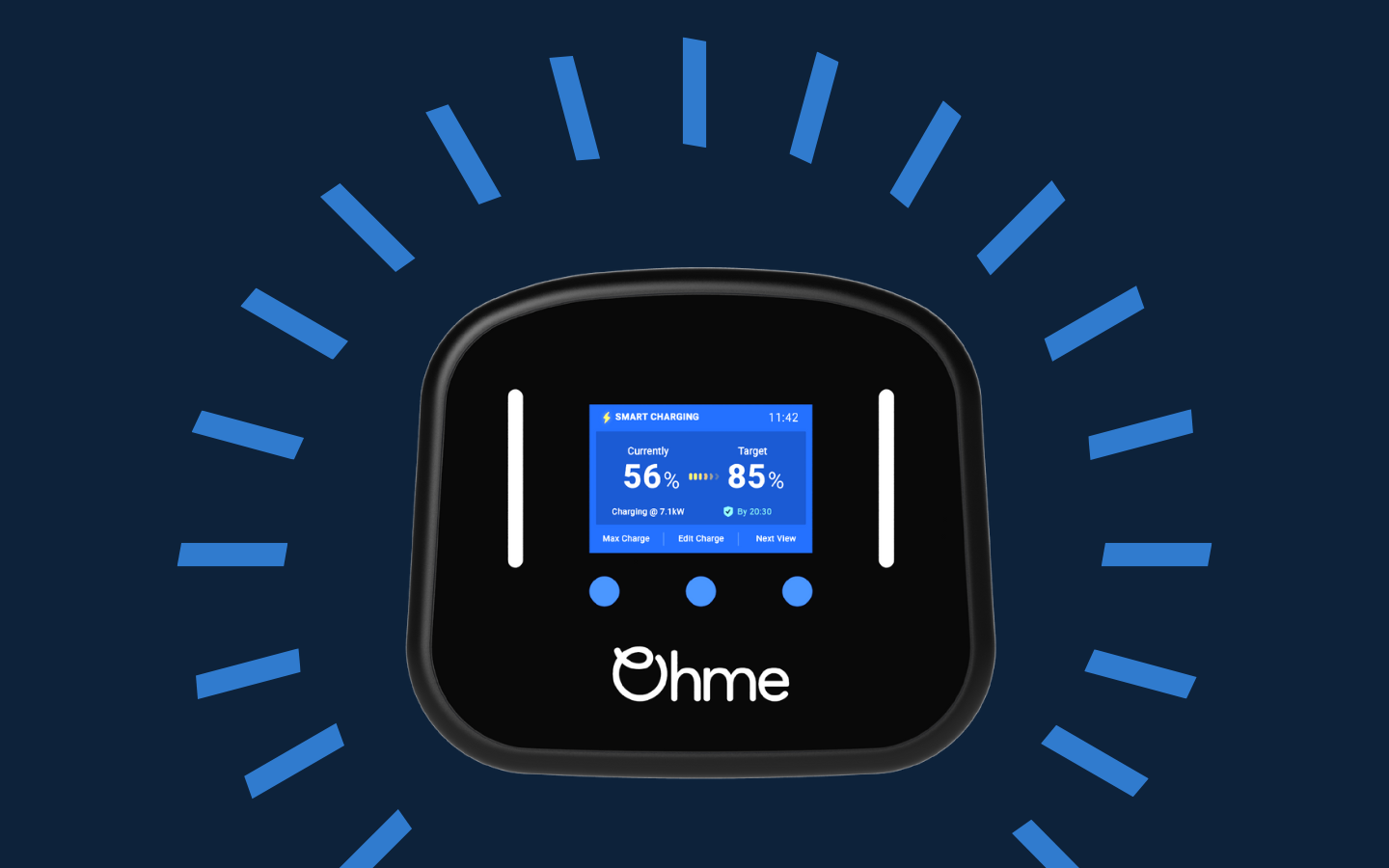
Take charge of your running costs and make sure you’re charging with the cheapest, greenest electricity. No matter what EV charger you’re after, whether it’s the intelligent Ohme Home Pro or the aesthetic Indra Smart LUX, we have a wide range of the UK’s leading EV chargers to suit your individual wants and offer full EV charger installation from start to finish. Whether it’s DNO notification, grant application, charger choice, installation and more – we cover it all. Get complete peace of mind; trust We Power Your Car for your EV charger and installation.
With expert, accredited, DBS-checked and experienced EV charger installers across the UK, we can install wherever you are – all with first-class customer service.
Browse our coveted partnerships or our 2,000 + Trustpilot reviews. Spoiler: We’re rated ‘Excellent’ 4.9.
Below, browse our EV chargers, or for unbiased personalised advice, call one of our experts at 03333 44 96 99.
*Based on 7p per kWh with Intelligent Octopus Go.