




When Was The First Electric Car Made?
What comes to mind when you think of the origins of an electric car?
Most people think of the first EV as a 21st-century miracle. A Silicon Valley invention. A Tesla-first.
But the truth?
Electric vehicles have been brewing for almost two centuries, starting in the 19th century. Specifically, a shocking 1832 origin.
Today, we explore the very timeline that led to the first electric car in depth.
Let’s get into the history.
Quick summary:
- Several inventors, chemists and scientists have fed their expertise into the invention of the electric car over time. But officially, the first electric car was invented by Robert Anderson, a Scottish inventor who built an electric-powered carriage in the early 1830s.
- The modern electric car revival began in 2008 when high-performance electric vehicles entered the mass market.
When was the first electric car made? The complete timeline
1832: The first electric car, ever
Technically, the first ever electric car was built in the early 1830s by Scottish inventor Robert Anderson.
Rather than the electric car you envision today, modern and sci-fi-esque, the Anderson’s earliest electric car would mirror a carriage rather than a car by today’s standards.
The car’s aesthetic might have lacked your traditional image of an EV, but it still ran on electricity, and not on manpower or horses.
But, while the 1830s version is the first crude electric car, the battery technology was not what it is today. In fact, it didn’t contain a non-rechargeable battery.
Once the battery died, it died.
1859: First lead-acid battery
Gaston Planté, a French physicist, created the first lead-acid battery, allowing the storage of energy in a vehicle.
1881: Improved battery
Camille Alphonse Aure, a French scientist, drastically improved upon Planté lead lead-acid battery storage.
1884: First production electric car
In smog-covered, Victorian Wolverhampton, under the veil of dim gaslights, Thomas Parker was hard at work. Parker was already famous for his work on electrifying the London Underground, but he cemented his infamy by creating the first production electric car.
1888: Germany builds ‘real’ electric car
Four years later, Andreas Flocken, a German engineer, constructed what critics call the real first electric automobile – the Flocken Elektrowagen: a four-wheeled open carriage electric car with a rechargeable lead battery, capable of a 9mph top speed.
1890: America joins the electric team
Across the Atlantic, inventor and chemist William Morrison unveiled the first successful six-passenger electric vehicle in the United States. Though his electric vehicle only reached the lowly heights of 14 miles an hour.
By the late 1890s, electric taxis actually whizzed about New York City, meaning EVs had their heyday way before the 21st century.
1901: The hybrid electric car was born
Enter the early 20th century, and young Ferdinand Porsche was switching the interest back on. Specifically, building the world’s first electric hybrid, blending electricity and gas.
1914: Electric fizzles out
Two giants, Henry Ford and Thomas Edison, team up to develop a low-cost electric car for the masses. A creation that could have changed the electric momentum for good.
Sadly, this was around the time Henry Ford built the famous Ford Model T, intercepting the market and re-routing the direction it went in.
Cheap, fast, and mass-produced, the Model T took first position, and electric vehicles faded into the petrol-smoke background.
1971: NASA brings electric cars back…on the moon
NASA reignited the imaginations of an electric future with the electric Lunar Rover Vehicle: a small EV that roamed the surface of the moon.
1991: A change in battery
A rebirth in the electric revolution; Sony Corporation and Asahi Kasei commercialised the rechargeable lithium-ion battery. For once, electric cars seem like a viable transportation option, with the lithium-ion battery allowing longer, cleaner journeys.
2004-2008: Tesla dominance
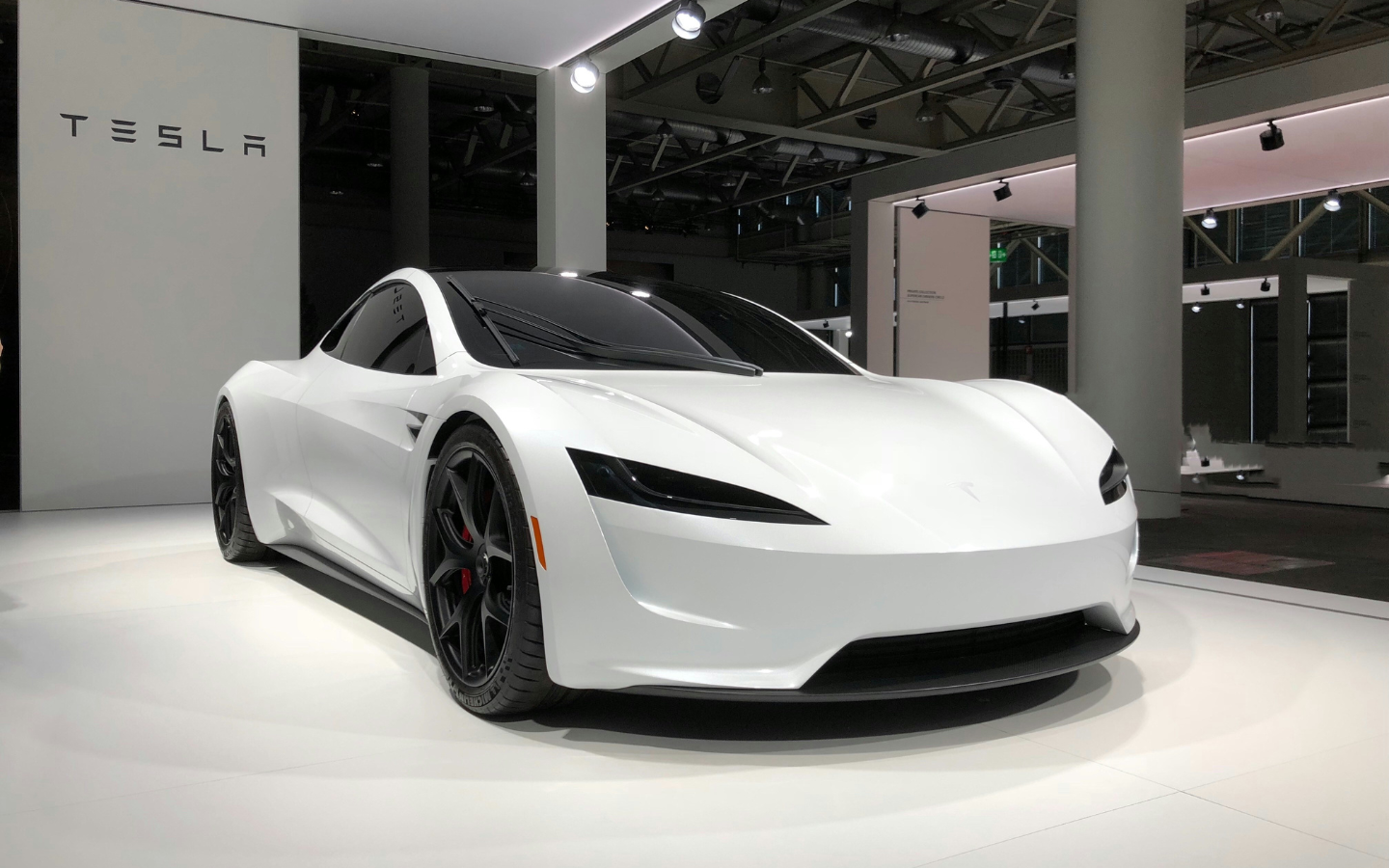
When Tesla Motors debuted its Tesla Roadster, a fully electric sports car powered solely by lithium-ion batteries that could reach 200 miles, jaws hit the floor.
But it was the dawn of a new age.
Ever since hitting the market with a splash in 2008, Tesla has been churning out new models with electric motors and has even become one of the best-selling EVs.
2010: First mass market pure EV
As a result of Tesla’s ingenuity, other manufacturers started to pick up on the demand and diversified their portfolios with new battery EV models. The Nissan Leaf, for example, born in 2010, was the first modern pure electric zero emission car produced for the mass market in Japan and the US.
2024: One million electric cars, and counting
From the gaslit streets of Victorian England to one million battery electric cars on UK roads, the switch to electric has sparked to life, especially over the past 20 years. And to the eye, it shows no sign of slowing down. In fact, we’d go as far as to say it’s snowballing.
2026: New grants, new models, and new EV drivers
No longer a pipe dream, the UK is set on the road to electric dominance in the market. With the government supporting new electric buyers with the Electric Car Grant until 2030, EV charger installation grants, and of course, the benefits of electric cars pushing demand themselves, it won’t be long until you see green number plates wherever you go.
So say goodbye to internal combustion engine vehicles as EV adoption reaches heights of 1,970,000.
2030: ZEV mandate and the ban on the sale of petrol and diesel vehicles
The ZEV mandate states that 80% of all new cars sold and 70% of vans sold need to be electric by 2030. Factor in the 2030 ban on the sale of new petrol and diesel vehicles, and it wouldn’t be surprising if by 2030, the UK will be nearly electrified for good.
Already invested in an electric car? Don’t forget your EV charger.
As an OZEV-approved installer, you can trust that every EV charger installation meets the highest government-backed standards, giving you total peace of mind, from choosing the right EV charger for you to well past the installation finish line.
What we offer:
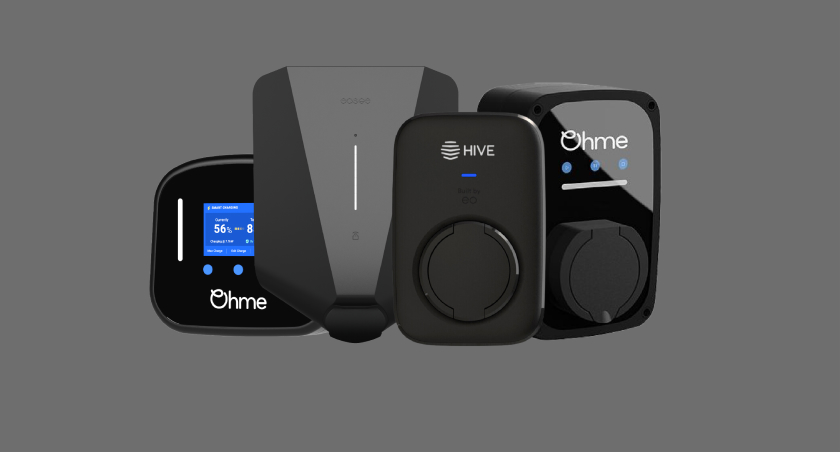
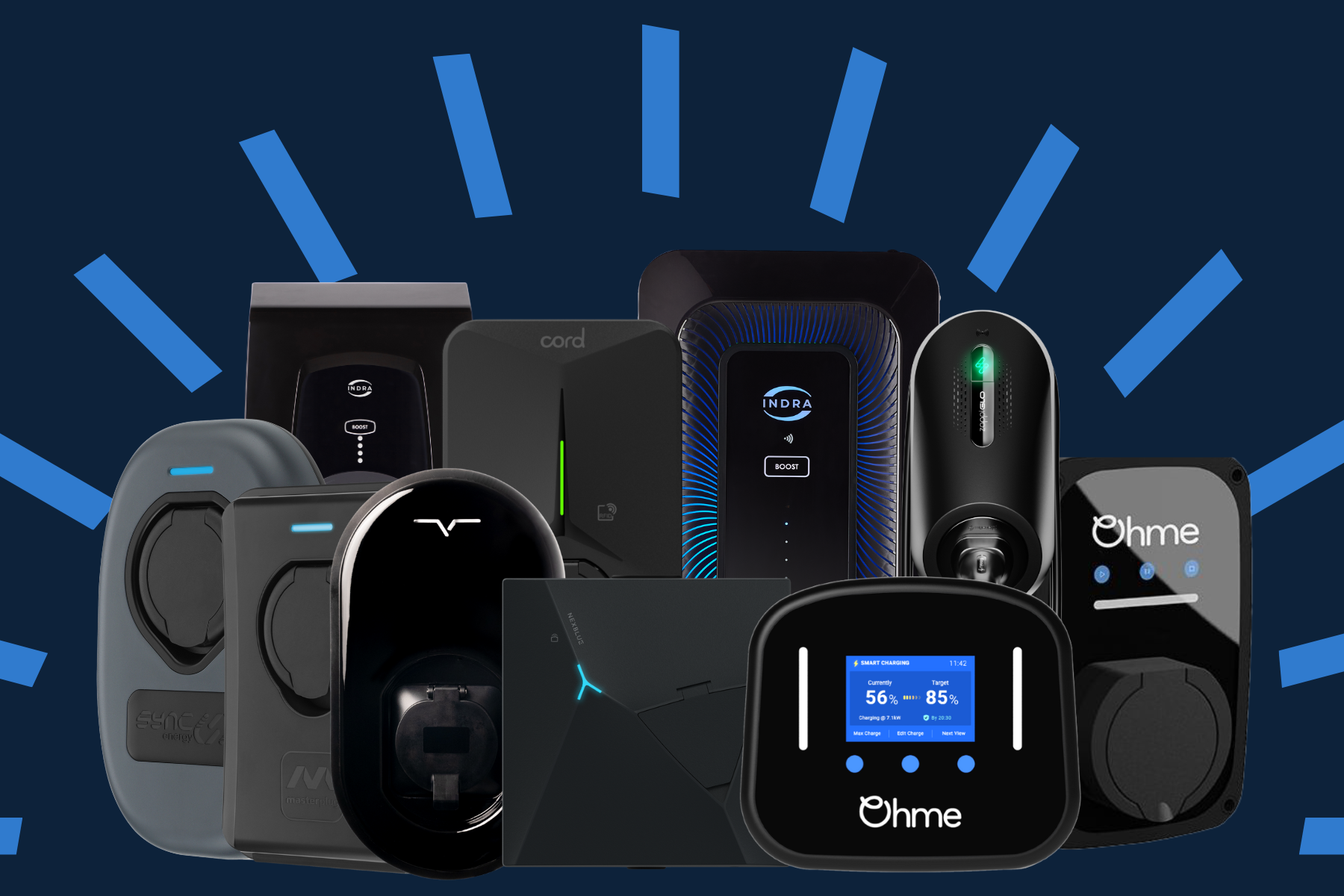
- Premium, built-to-last smart EV chargers, both for home and commercial use
- Nationwide expert EV charger supply and installation
- Expertise as a DBS-checked, OZEV-approved and vastly accredited EV charger installer, with 25,000 EV charger installations to date
- End-to-end EV charging solutions, including a choice of EV charger from our range, installation, DNO notification, grant application, aftercare and more.
Don’t believe us? Browse our 2,000 + reviews on Trustpilot: our happy customers have rated us 4.9 ‘Excellent’.
If you’re ready, shop our range of EV chargers, including expert installation, or contact us at 03333 44 96 99 for unbiased advice from one of our experts.
Stay connected for the latest EV news, offers, and updates: follow us on Facebook, Twitter, LinkedIn and YouTube.